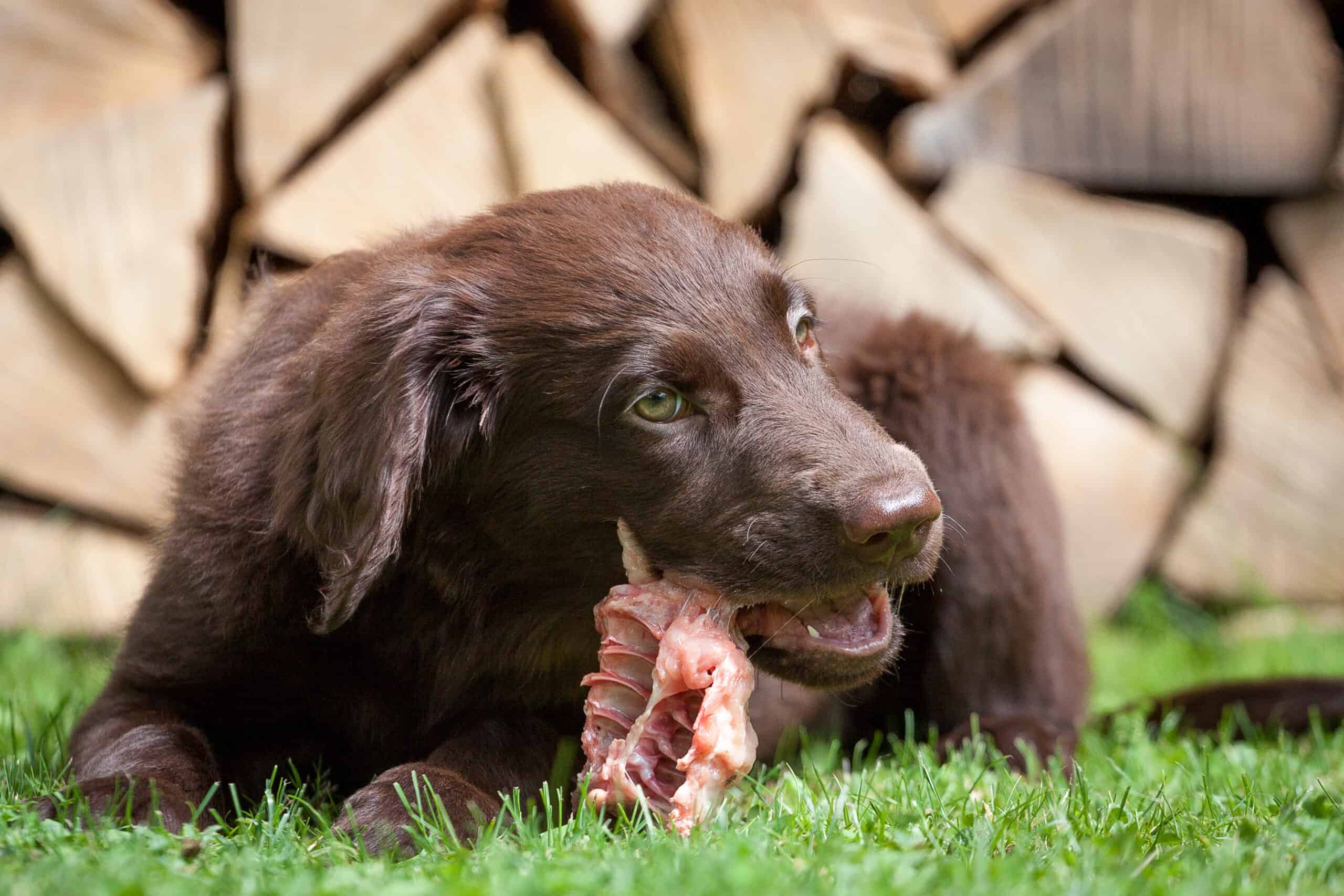
Raw chicken bones can be good for some dogs: they’re soft enough to chew and digest, supply calcium and phosphorus, and help clean the teeth. But they’re not risk-free, as they can still cause choking, blockages or bacterial infections, which is why many vets advise against them. Cooked chicken bones, on the other hand, are always dangerous because they splinter.
Read on to explore the benefits and risks of feeding your dog raw chicken bones, and how to do it as safely as possible.
Are Raw Chicken Bones Edible for Dogs?
Yes, raw chicken bones are edible for most dogs. They are soft and pliable enough to be chewed up and digested, and in a well-planned raw diet they can be a nutritious part of what your dog eats. Raw chicken bones come with protein and minerals that can help keep your dog healthy and fit.
Other soft, edible raw bones include duck and turkey necks or wings. Large weight-bearing bones from cattle, like beef leg bones, are a different story: they’re too hard to eat and are more likely to crack teeth, so they should only be used as a supervised recreational chew, if at all. Most importantly, the bones must be raw and not cooked, as cooking makes them brittle and more likely to splinter.
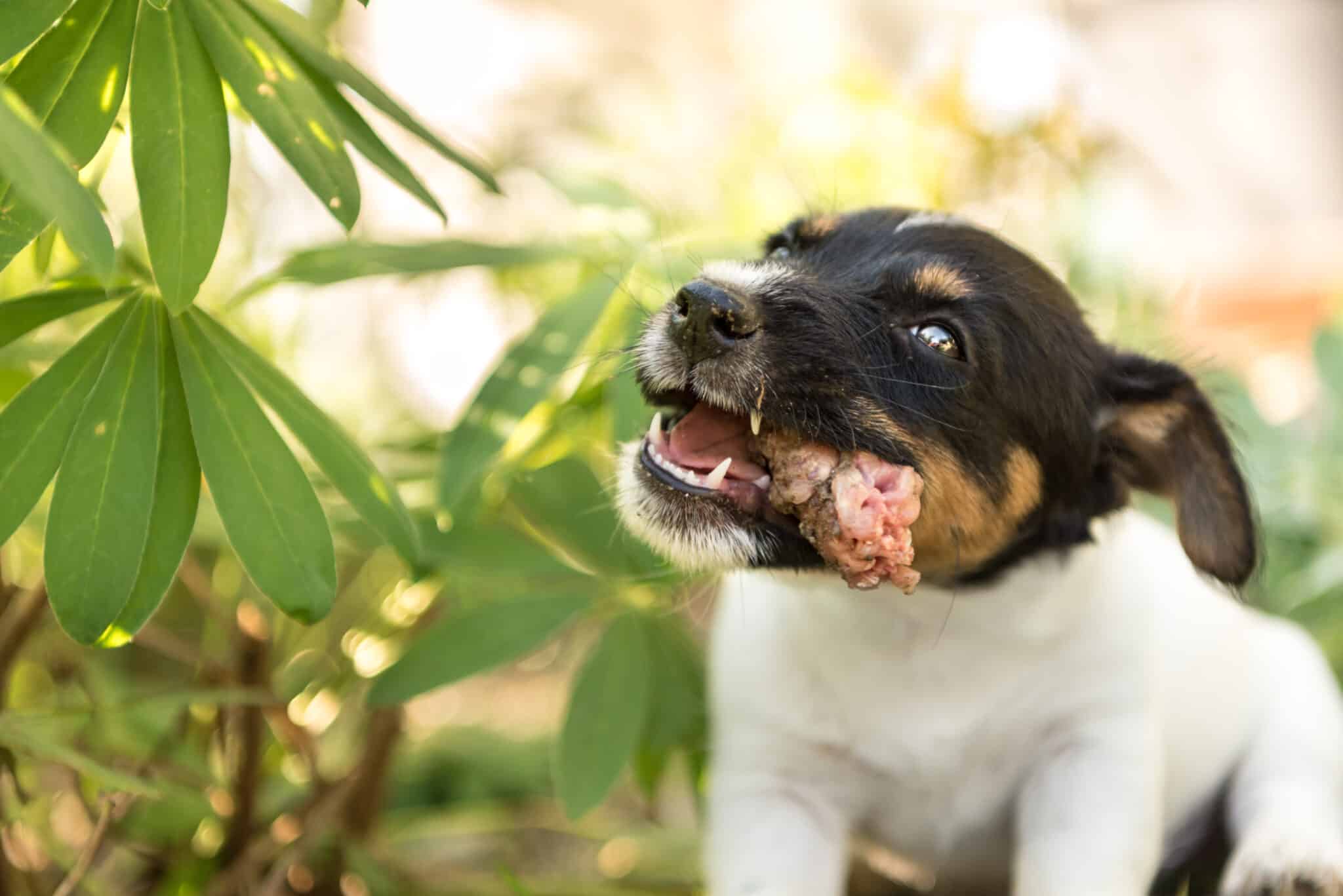
Also, what kind of bones you feed your dog depends on their size and weight. Choose a piece that is too big to swallow whole: a chicken wing or neck may suit a small dog, but a large dog that gulps its food can choke on the same piece, and may do better with a whole chicken frame or a larger turkey neck.
If you’re going to feed your dog raw chicken bones, it’s best to do so under the supervision of a veterinarian or professional pet nutritionist. They can help you determine the best way to incorporate raw bones into your dog’s diet and ensure they get all the nutrients they need.
Benefits of Raw Chicken Bones for Dogs
1Packed with Protein and Glucosamine
Raw chicken bones are an excellent source of protein and glucosamine for dogs, especially chicken feet. Glucosamine is great for joint health, and chicken feet are especially high in this nutrient. Protein is important for all dogs but is especially critical for growing puppies and working dogs.
2A Natural Dental Chew
Chicken bones can also help clean your dog’s teeth. The chewing motion may help scrape off plaque, while the bone provides calcium. It’s not a substitute for brushing or professional cleanings, though, and existing tartar usually needs a vet’s dental cleaning. Another way some owners add bone to meals is homemade bone meal for dogs.
3A Delicious Treat
Last but not least, raw chicken bones make a delicious treat for dogs! Most dogs love the taste of chicken and will be eager to chomp down on these healthy treats.
How Many Raw Chicken Bones Can a Dog Eat Per Day?
Now that we know all about the benefits of raw chicken bones for dogs, you’re probably wondering how many your dog can eat.
There’s no single number, as it depends on your dog’s size, weight, activity level and the rest of their diet. If you give raw chicken pieces as an occasional treat, one appropriately sized piece (such as a wing or neck) a few times a week is plenty for most dogs, and it should count toward their daily calories. Dogs on a complete raw diet get bone as part of a balanced recipe, which is best planned with your vet or a veterinary nutritionist.
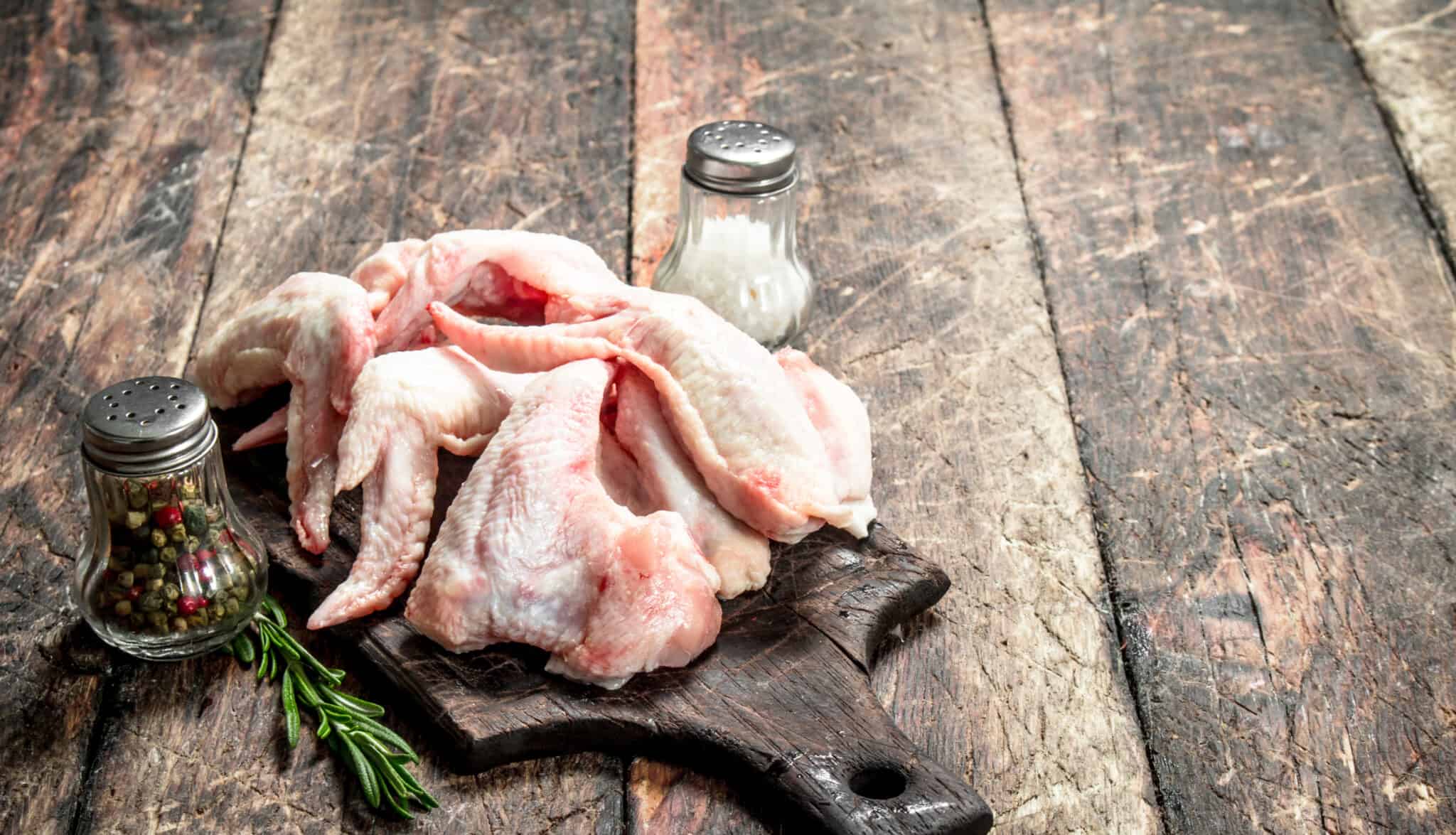
It’s always best to start slow and gradually increase the number of chicken bones you feed your dog. This will give their digestive system time to adjust and ensure they don’t have any adverse reactions. If you'd rather grind bones into meals, see our picks for meat and bone grinders for dog food.
Besides, as a general rule of thumb, it’s best to feed raw chicken bones in moderation. Too much bone can lead to hard, chalky stools and constipation, and the extra calories can cause your dog to gain weight.
If you’re unsure about how many raw chicken bones to feed your dog, you can always turn to your veterinarian for guidance.
Side Effects of Risk of Raw Chicken Bones for Dogs
While raw chicken bones offer many benefits for dogs, there are also some risks to consider. The biggest concern is that chicken bones can splinter and cause choking or other digestive issues.
This is why you must ensure that the bones are raw and not cooked. When chicken bones are cooked (boiled, grilled, or fried), they become hard and brittle. This makes them more likely to splinter when your dog bites into them, which can cause choking, blockages, or other digestive problems.
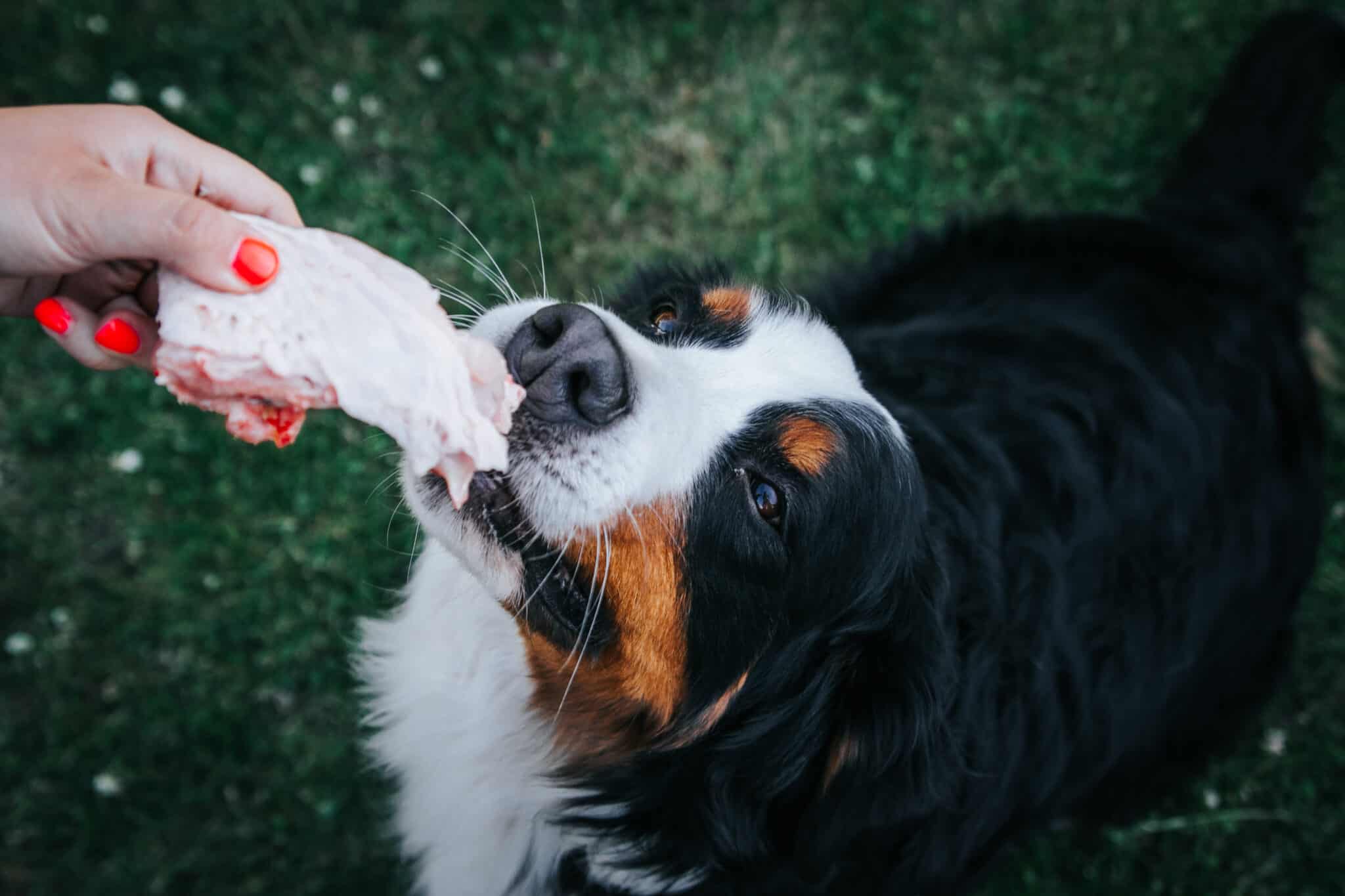
Raw chicken bones, however, are softer and tend to crush instead of splinter when bitten. This makes them safer than cooked bones, but not risk-free: a dog that gulps a piece can still choke, and bone fragments can cause constipation, blockages or, rarely, damage to the gut.
Another concern is that raw chicken often carries harmful bacteria, such as Salmonella, Campylobacter and E. coli. These bacteria can cause vomiting and diarrhea in dogs, and dogs can also pass them on to people through their saliva and poop, even when they seem healthy. This is the main reason organizations like the FDA and many vets advise against feeding raw meat and bones, especially in homes with young children, elderly or immunocompromised people.
You can reduce this risk by buying from a reliable source, keeping the meat frozen or refrigerated until use, washing your hands, bowls and surfaces thoroughly after handling raw chicken, and picking up after your dog promptly.
Finally, it’s important to remember that raw chicken bones are not a complete and balanced meal for dogs. If you're thinking about a full raw diet, start with our raw dog food guide for beginners. Outside of a planned raw diet, they should only be given as an occasional treat.
Call your vet right away if your dog is gagging, retching or pawing at the mouth after eating a bone, or later shows vomiting, a painful or swollen belly, straining to poop, blood in the stool, lethargy or loss of appetite.
Safety Tips for Feeding Raw Chicken Bones to Dogs
These tips will help you minimize the risks and make sure your dog enjoys their raw chicken bones safely:
- Only give raw chicken bones to healthy adult dogs. Puppies, senior dogs, and dogs with health problems are more likely to experience adverse reactions.
- If possible, get your raw chicken bones from a trusted source, such as a butcher or pet store. This will help minimize the risk of bacteria contamination.
- Never feed cooked bones of any kind, including leftovers from the table.
- Choose pieces too large to swallow whole, and start with a small amount, increasing gradually. This will give your dog's digestive system time to adjust.
- Monitor your dog closely while they're eating raw chicken bones. Stop feeding them immediately if you notice any adverse reactions and contact your veterinarian.
- Dogs love their bones; some may even become aggressive while chewing on one. So, ensure that children and other pets are not close by to avoid any accidents.
Summing Up
Overall, feeding raw chicken bones to dogs can offer some benefits, and they are far safer than cooked bones. However, they still carry real risks, from choking and blockages to bacteria that can affect your whole household. If you decide to feed them, take the precautions above, and talk to your vet first, especially if your dog has health problems or you have young children at home.