Accidentally Bought Puppy or Large-Breed Food? What to Do
 Written by Tim de Jong
If you’ve accidentally bought puppy food instead of adult dog food, don’t worry – it’s not the end of the world. The same goes for grabbing a bag of large-breed formula for a small dog, a surprisingly common mix-up when labels look alike. Below, we’ll cover what each mistake means for your dog, what to do with the bag, and how to transition your dog back to the right food.
Is puppy food healthy for adult and senior dogs?
Puppy food is designed to meet the nutritional needs of growing puppies. Puppy food generally contains more calories, protein, and fat than adult dog food. This is because puppies need more energy and nutrients to support their rapid growth and development. If you're shopping for a pregnant dog instead, we compare dry food options for a pregnant dog in a separate guide.
While puppy food is not necessarily harmful to adult dogs, it is not ideal for them either. Adult dogs who eat puppy food may gain weight, since they don’t need all those extra calories. Additionally, senior dogs may find it difficult to digest puppy food since it is so high in protein and fat.
Accidentally bought large-breed food for a smaller dog?
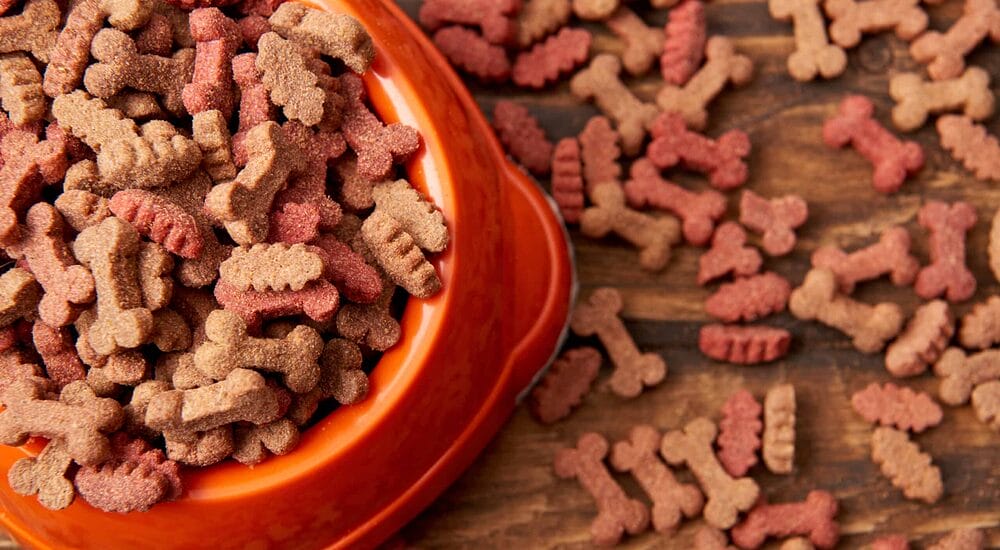
The first thing most owners notice is the kibble size. I once came home with large-breed formula instead of small-breed food, and my schnauzer had to work much harder to crunch through each piece. For small mouths that can also be a choking concern.
The bigger issue is the recipe. Large-breed food is made for dogs over roughly 50 pounds, with controlled calcium and phosphorus levels to support slow, steady growth in big dogs and a calorie density that doesn’t match what a small dog needs. My vet explained that a few days won’t hurt, but long-term feeding can lead to weight gain and put extra strain on a small dog’s joints and metabolism. It’s also usually pricier per pound, so you’re paying for nutrition your dog doesn’t need.
What about senior or small-breed food?
The same logic applies to the other common mix-ups. Senior formulas are usually lower in calories (we cover how often to feed a senior dog separately), so a younger, active dog may lose condition if it eats them for weeks, while small-breed food has tiny, calorie-dense kibble that can make a bigger dog gain weight. A few meals of either won’t harm a healthy dog. Mix it in gradually or pass the bag on, using the options below.
What happens if a puppy eats adult dog food?
If it’s the other way around and your puppy has eaten some adult food, a few meals are nothing to worry about. Over weeks, though, adult food can leave a growing puppy short on the calories, protein and fat it needs, and large-breed puppies in particular need the controlled calcium of a large-breed puppy formula. Switch back to puppy food and ask your vet if your puppy ate it for a long time.
Why the right food matters
Dogs need specific balances of protein, fat, carbohydrates, vitamins and minerals, and those needs change with size, activity level, metabolism and life stage. Too much protein can stress the liver and kidneys, especially in older dogs, while too little can lead to muscle loss. Fat fuels energy and a healthy coat, but too much packs on pounds fast.
The easiest way to get it right is to buy commercial food labeled for your dog’s life stage (puppy, adult, senior) and breed size (small, medium, large, giant), and to double-check the label before checkout. When in doubt, ask your vet. If you'd rather cook, our guide on how to make balanced homemade dog food covers the basics.
What to do when you bought the wrong food?
If you’ve accidentally bought puppy food for your adult or senior dog, or large-breed food for a small dog, don’t panic! There are a few things you can do to fix the situation.

1Mix the puppy food with normal dog food
If you accidentally purchased a large amount of puppy food, the best thing you can do is mix it with regular food. This way, your dog will still get the nutrients they need without overloading on calories. Simply mix the two types of food together in equal parts and serve as normal. Our dog food bag calculator can tell you how long the mixed supply will last.
With large-breed food for a small dog, go lighter. When I made that mistake, I mixed about 25% of the large-breed kibble into my schnauzer’s regular food and used it up over two weeks while watching his weight and digestion. That works for a small bag in the short term, but don’t do it long-term, and don’t do it with a growing puppy.
2Use the puppy food as small snacks
Because it is high in calories, you can use the puppy food as small snacks or treats throughout the day. This way, your dog won’t be overfed but will still get the extra calories they need. Just count those snacks toward the daily total, which you can work out with our dog calorie calculator.
Large-breed kibble also works as low-value training rewards for medium or large dogs. For small dogs you’d have to break each piece up, which gets tedious.
3Give it to a friend's puppy
If you have a friend or family member who has a young puppy, you can give them the puppy food and transition your dog back to adult food. Large-breed food is just as easy to rehome: I gave half a bag to a neighbor with a Labrador. Dog-park regulars and neighborhood groups are good places to ask.
4Return it to the store
Another option is to return the puppy food to the store and exchange it for adult dog food. This is generally only possible if you have bought the wrong food within a few days of purchase and if the store has a return policy. Unopened bags are the easiest to return, so keep your receipt.
5Donate it to a shelter
If you can’t return the food and don’t know anyone with a young puppy, consider donating the food to your local animal shelter. This way, it will go to good use and you won’t have to worry about what to do with it! Large-breed formula is especially welcome, since many shelter dogs are medium to large breeds. Most shelters only accept sealed bags, so call ahead to check their policy.
My dog already ate puppy food, what to do?
If your dog has already eaten some of the puppy food, don’t worry! Puppy food is not poisonous to dogs. However, if they have eaten a lot of it, they may experience some gastrointestinal upset like diarrhea or vomiting. If this occurs, contact your veterinarian for guidance on what to do next.
FAQ
Is puppy food poisonous to dogs?
No, puppy food is not poisonous to dogs. However, if they have eaten a lot of it, they may experience some gastrointestinal upset like diarrhea or vomiting. If this occurs, contact your veterinarian for guidance on what to do next.
How long can I keep puppy food?
Dry puppy food generally has a shelf life of 1-2 years. However, it is best to check the expiration date on the package to be sure. Once opened, Puppy food can be stored in a sealed container in a cool, dry place for up to 6 months.
Can I feed my dog puppy food forever?
No, you should not feed your dog puppy food forever. Puppy food is designed for growing puppies and is not ideal for adult or senior dogs. Adult dogs who eat puppy food may gain weight, since they don’t need all those extra calories.
Puppy food is also more expensive, so feeding it to your adult dog long-term is not a wise financial decision either.
Is large-breed dog food more expensive?
Yes, large-breed dog food usually costs more per pound than regular adult food, which is one more reason not to feed it to a small dog long-term.
What problems can the wrong dog food cause?
Fed for a long time, the wrong formula can contribute to weight gain or obesity, dry skin, hair loss and muscle loss.
What is the best food for my adult dog?
The best food for your adult dog depends on their individual needs. Be sure to consult with your veterinarian to find out what type of food is best for your pup! In general, however, most adult dogs do well on an all-life-stage or maintenance diet.
These diets are designed to meet the nutritional needs of both growing puppies and adult dogs. They are usually lower in calories than puppy food, which helps prevent weight gain.
Conclusion
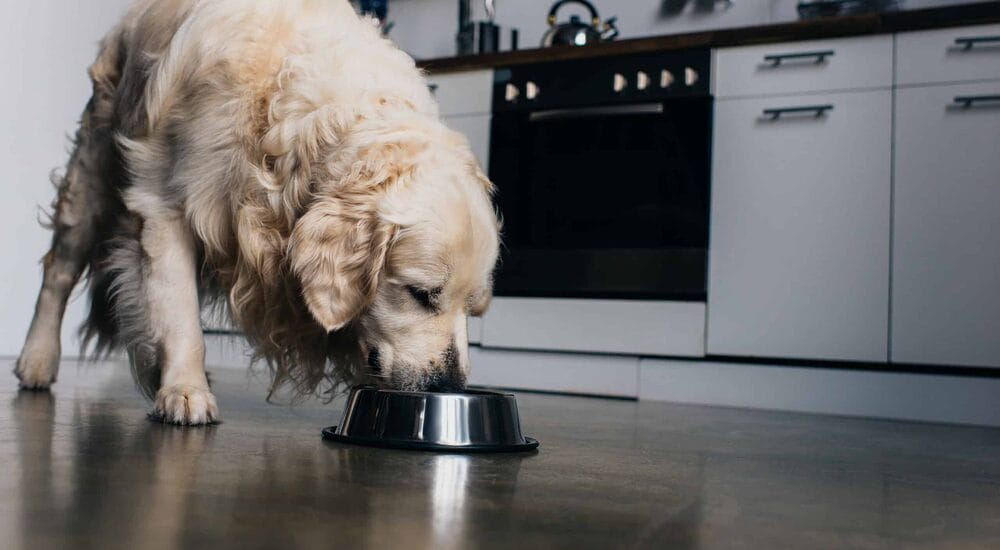
Puppy food is not ideal for adult or senior dogs since it is high in calories, protein, and fat, and large-breed food isn’t a good long-term fit for small dogs either. If you have accidentally bought the wrong food, we recommend mixing it gradually with normal dog food, using it as small snacks, or giving it to a friend whose dog it suits. You can also try returning it to the store or donating it to a local animal shelter. Either way, your dog will be fine; just double-check the life stage and breed size on the label next time.
Get The Ideal Dog Routine, free
A 10-page guide written by a vet: a sample daily routine, exercise and alone time, and grooming and vet check schedules.
We'll email you the download link. Unsubscribe anytime.