How to Get Rid of Dog Anal Gland Smell (And Prevent It)
 Written by Tim de Jong
Having troubles with that not-so-pleasant dog anal gland smell? No one wants their house to have an odor like that.
The simple answer: Make sure their anal glands are expressed.
By keeping my dogs anal glands clean and expressed regularly, I have been able to keep my home smelling pleasant and free of any overwhelming doggy odors!
Let’s dive deeper
What Are Anal Glands in Dogs?
Anal glands are an important part of a dog’s anatomy, and unfortunately, they can sometimes present a smelly situation! These little sacs produce a foul-smelling liquid that your pup uses to mark their territory. It’s like the canine version of “this is mine!”
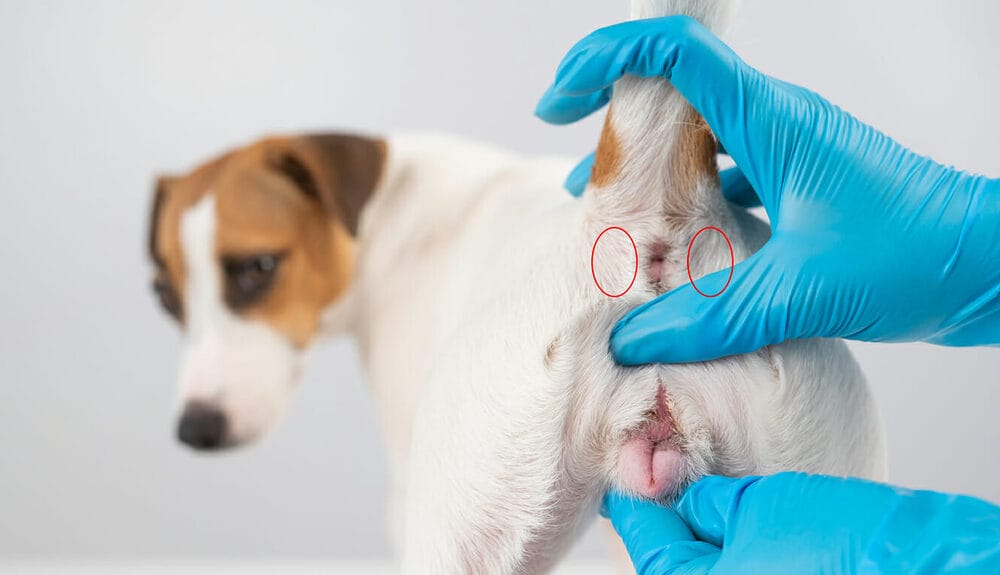
Unfortunately, when these glands become blocked or impacted, they can start to smell like a mix of rotten eggs and skunk. Gross! But never fear, there are ways to get rid of the stink and keep your home smelling fresh.
It’s important to remember: prevention is key. Keep your pup’s anal glands clean and expressed regularly keep that smell from ruining your day. Trust me – you won’t regret it!
Read about: Dog Anal Gland Problems
How to Get Rid of Dog Anal Gland Smell?
So how to get rid of that doggy aroma? By following a few simple steps, you can quickly get your pup and home back to smelling fresh in no time!
1Express Anal Glands in Dogs
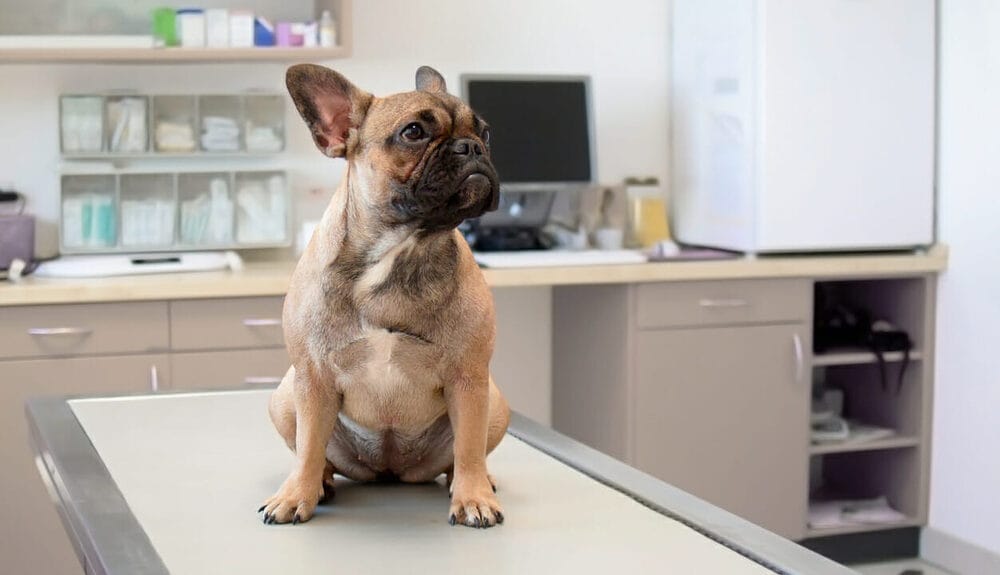
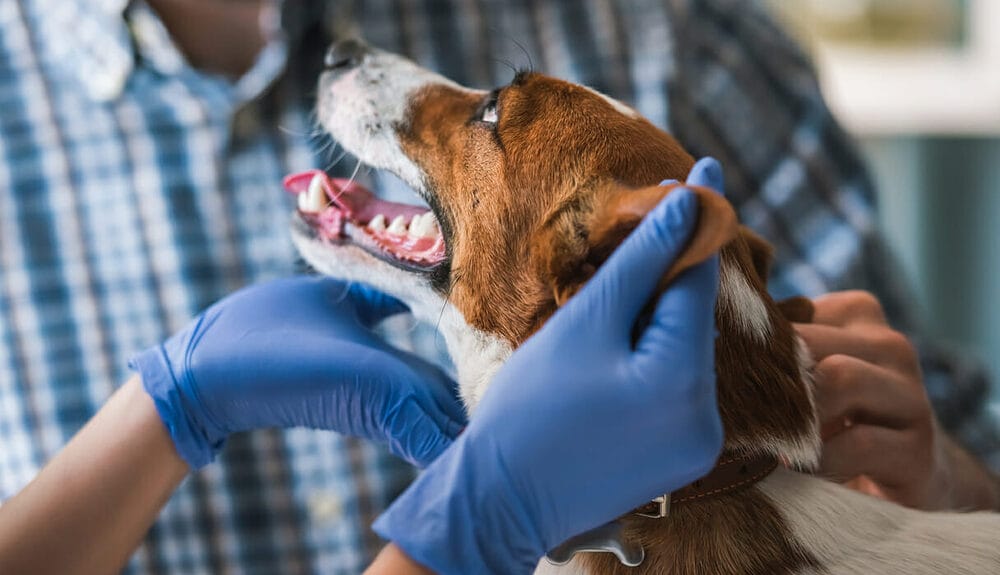
Expressing your pup’s anal glands is the first step to getting rid of that not-so-pleasant odor! Have a vet or groomer check them every few months so you can nip any smelly situation in the bud.
It releases the fluid from the glands and prevents it from leaking, which usually causes the stink. If this doesn’t do the trick, there are plenty of over-the-counter products that’ll help you out. Again: prevention is key!
Read about: Do Groomers Express Glands And Is It Different Than A Vet?
2Clean Up After Anal Gland Expression
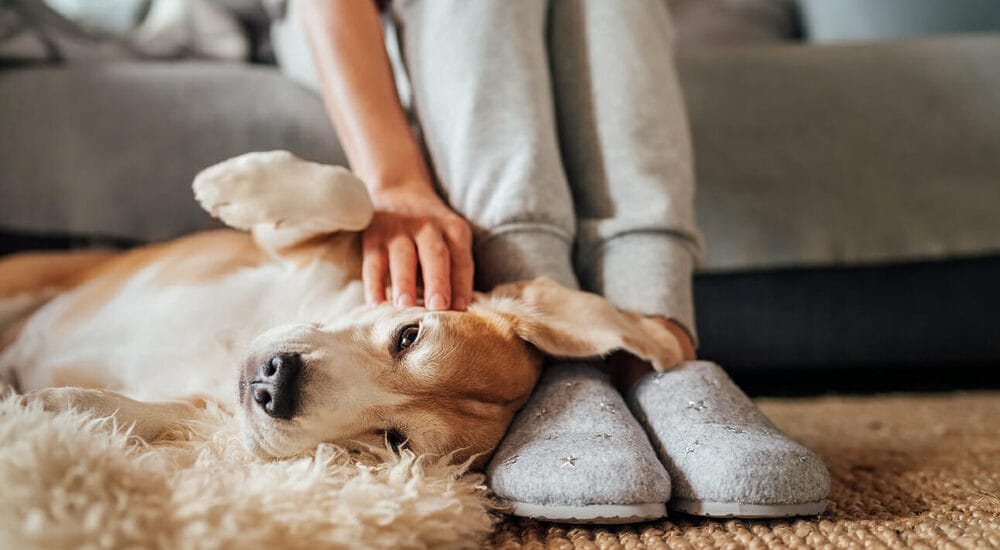
It’s just as important to clean up after expressing your pup’s anal glands as it is to express them in the first place! Remaining anal glands liquids can still cause a strong odor if left uncleaned. Furniture, carpets, upholstery, you name it.
My tip? Have a box of baking soda on-hand for spills and accidents. Sprinkle some over the affected area, let it sit for about 15 minutes and vacuum away! This will help absorb any remaining odor-causing liquid and keep your house smelling fresh.
3Bathe Your Dog
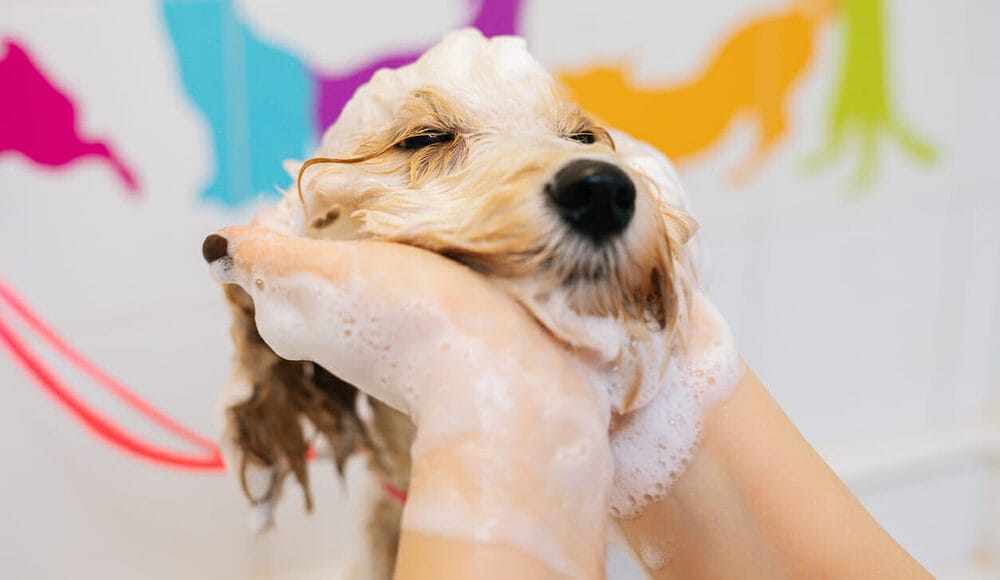
Like your furniture, your dog can also have remaining liquids that can cause a smell even after expressing their anal glands.
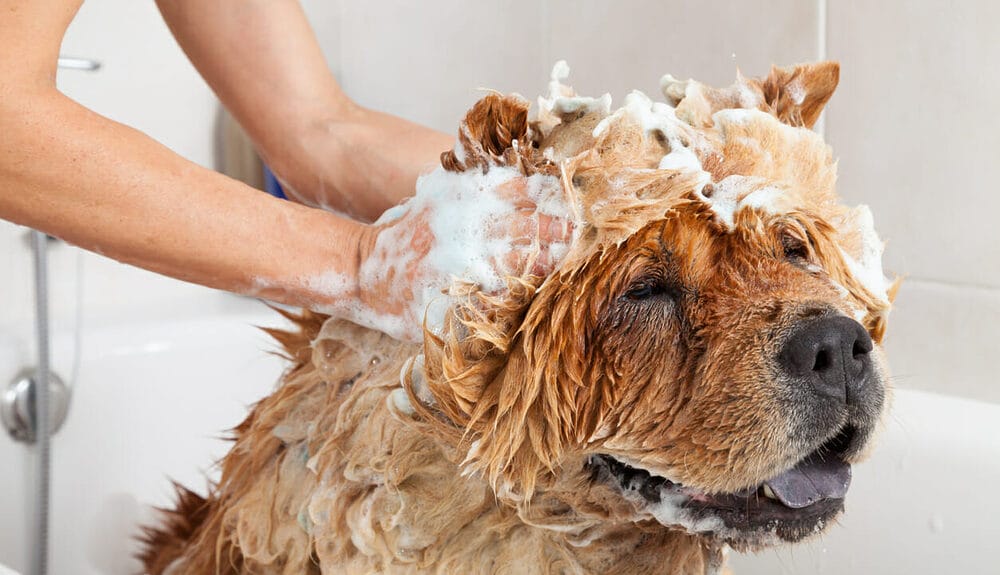
A good bath with a dog-specific shampoo containing baking soda, aloe vera, and oatmeal can help get rid of any lingering odors and make your pup smell pleasant again!
Read about: Bath Bombs For Dogs: Make Bath Time Fun!
Why Does My Dog Still Smell After Their Glands Were Expressed?
You’ve just had your dog’s glands expressed, and a few hours later that strong, fishy smell is back. It’s more common than you’d think, and there are a handful of usual reasons.
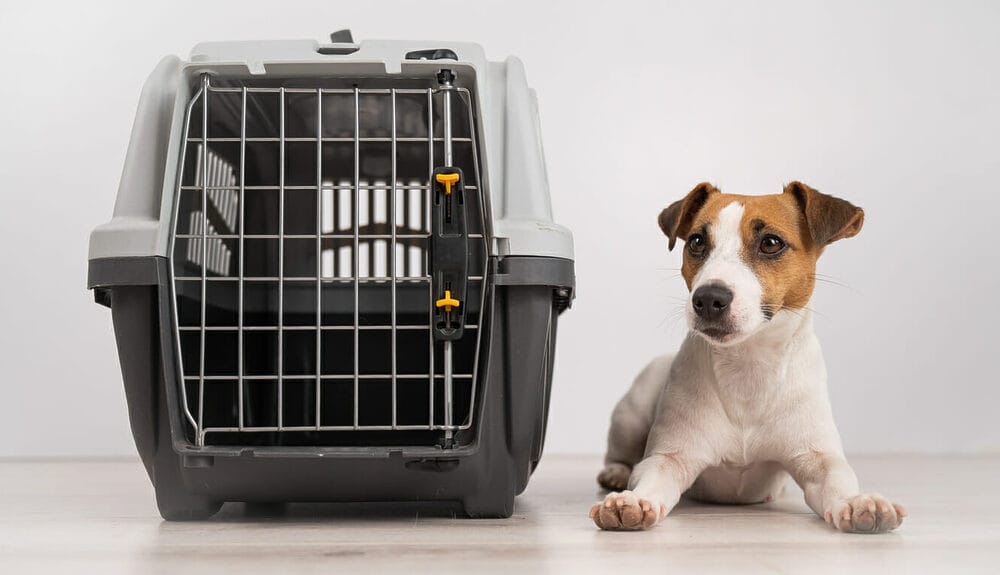
1Gland fluid got on the fur
This is the most common and least worrying cause. Some of the fluid ends up on the fur around the anus, especially in long-coated dogs, and a little leaking right after the procedure is normal. Check the fur before you worry, then bathe your dog and gently clean the backside. Your dog may lick the area to get rid of the smell, but it usually fades within about 24 hours.
2The glands weren’t fully emptied
Expressing glands is an unpleasant job, and it’s easy to do it halfway, whether you try it at home or a groomer or vet does it. Sometimes a gland sits in an awkward position and can’t be fully reached. The two glands also don’t fill at the same rate, so if both are emptied the same way, the fuller one may still hold fluid. If the smell persists, ask for the glands to be checked again.
3The glands refill quickly
Every dog fills its glands at a different rate. If the smell comes back a day or more after expression, the glands may simply be refilling. Small breeds such as French Bulldogs and Pugs are especially prone to this and may need a regular monthly (or more frequent) check.
4An anal gland infection
A persistent smell can also point to anal sac disease. Some tiredness and a smaller appetite for a day or two after the procedure are normal, but lethargy combined with scooting, tail chasing or irregular bowel movements is not. See your vet promptly; an untreated infected gland can spread to other areas.
Read about: Dog Anal Gland Problems
5 Methods to Prevent the Dog Anal Gland Smell
Preventing that not-so-nice doggy smell is a breeze! Aside from keeping tabs on your pup’s anal glands, there are plenty of other ways to help keep the stink away. Here’s what I suggest:
1Feed a high-quality diet that is full of fiber
Feed your pup a high-quality diet packed with fiber to keep them healthy and avoid smelly situations! It’s like hitting two birds with one stone: better digestion and less stinky anal glands!
According to a study by Anton C. Beynen, fiber-rich food helps keep your pup’s anal glands healthy. Their poop will be so firm and bulky it’ll act like a plunger and express the smelly fluids when they go number two! So load up on the fiber if you want to avoid any stinky surprises.
Read Our Article "How to Help Dog Express Glands Naturally: 10 Foods + Tips"
2Add a probiotic supplement to their diet
Similar to fiber, probiotic supplements create a firmer stool and help with digestion, which reduces strain on the anal glands.
Additionally, probiotics helps create a healthy microbiome in the gut and can potentially reduce inflammation around the anus as well. So make sure to add it to your pup’s diet for optimal anal health!
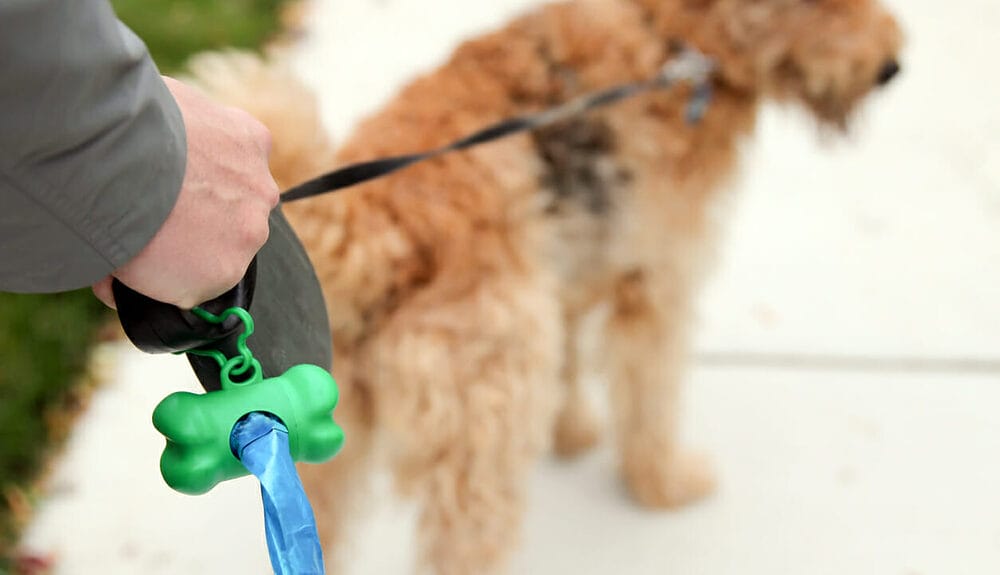
3Give small breeds more frequent potty breaks
Small breeds like Jack Russell Terriers and Miniature Pinschers tend to fill their glands faster. Taking them out to poop more often means more chances for the muscles to put pressure on the glands and empty them naturally.
4Try a warm compress
Holding a warm, damp cloth against the area around the gland openings can relax the muscles and help open the ducts, which may ease mild impaction before it turns into a smell problem.
5Consider Having the Anal Glands Removed
If your pup’s anal glands just keep giving you grief, it might be time to consider getting them removed – yup, there’s an option for that!
This surgery will help reduce the chances of future problems cropping up, though it can’t guarantee they won’t. There’s a small chance they may encounter some peeing issues afterwards, but that’s rare.
So overall, it can be a good way to give your pup a break from anal gland problems and keep everyone sniffin’ fresh!
Read More about: Dog Anal Gland Removal Pros And Cons
65 Takeaways For Dog Anal Gland Smells
We’re at the end of the article! Here are my takeaways for tackling doggy anal gland smells:
5 Takeaways For Dog Anal Gland Smells
- Keep an eye on those anal glands - regular expressin' is key!
- Make sure they're getting enough fiber in their diet - it'll help prevent plumbing problems and keep your pup smelling fresh
- Consider adding a probiotic supplement to their routine - it can reduce inflammation around the anus and create a healthy microbiome in the gut.
- Don't forget about surgery - if all else fails, get that smell-causing liquid OUT of there!
- Still smelly after expression? Bathe your dog first; if the odor lasts more than a day or comes with lethargy or scooting, see your vet.