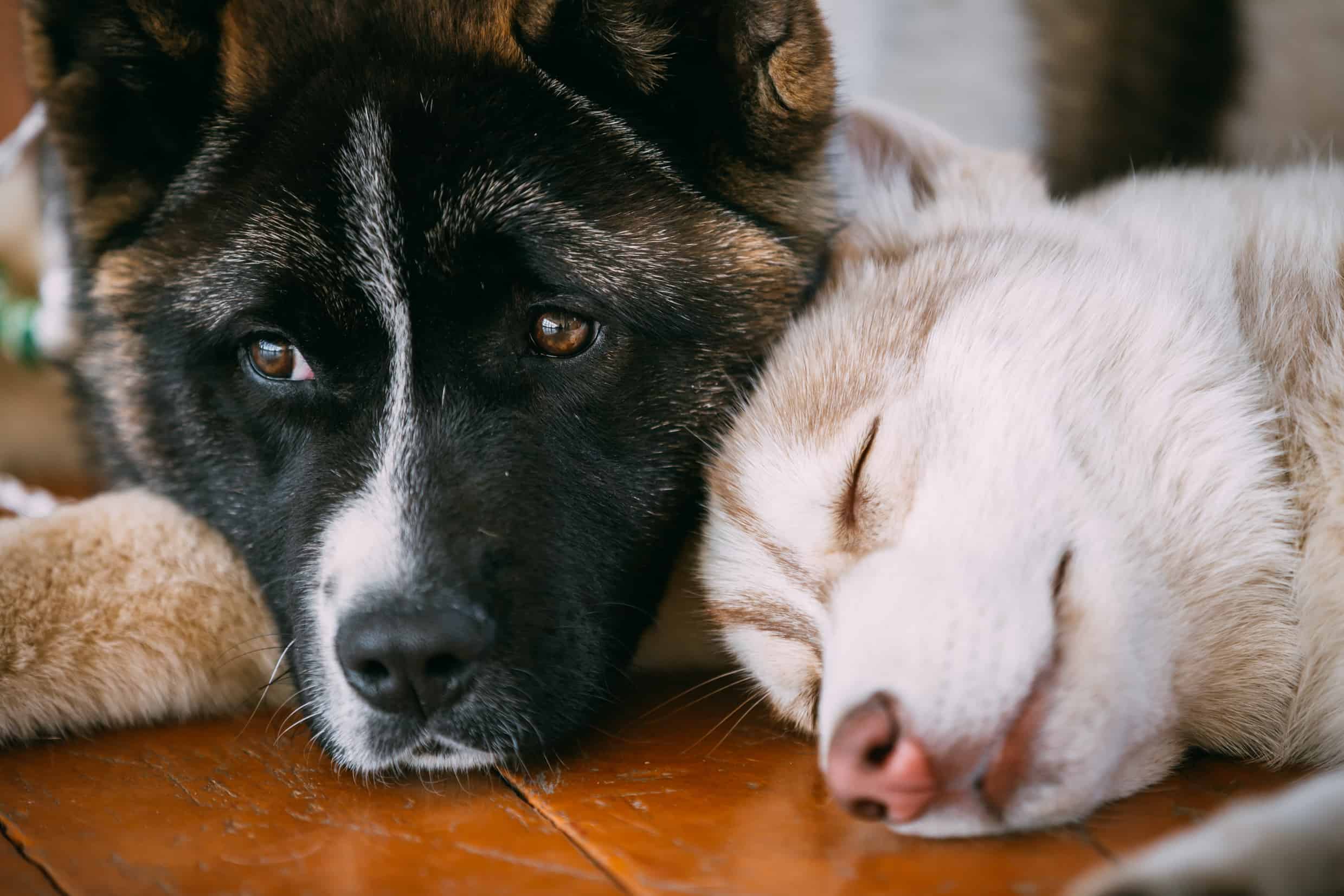
The akita is a much bigger, more reserved and protective guardian that bonds closely with its own family, while the husky is a lighter, friendlier and far more energetic sled dog that needs hours of activity every day. Pick an akita if you want a calm, loyal watchdog and can handle a strong-willed large breed; pick a husky if you lead a very active life and don't mind howling, escape attempts and lots of hair.
Below we first look at each breed individually, then compare the akita vs husky side by side.
The akita
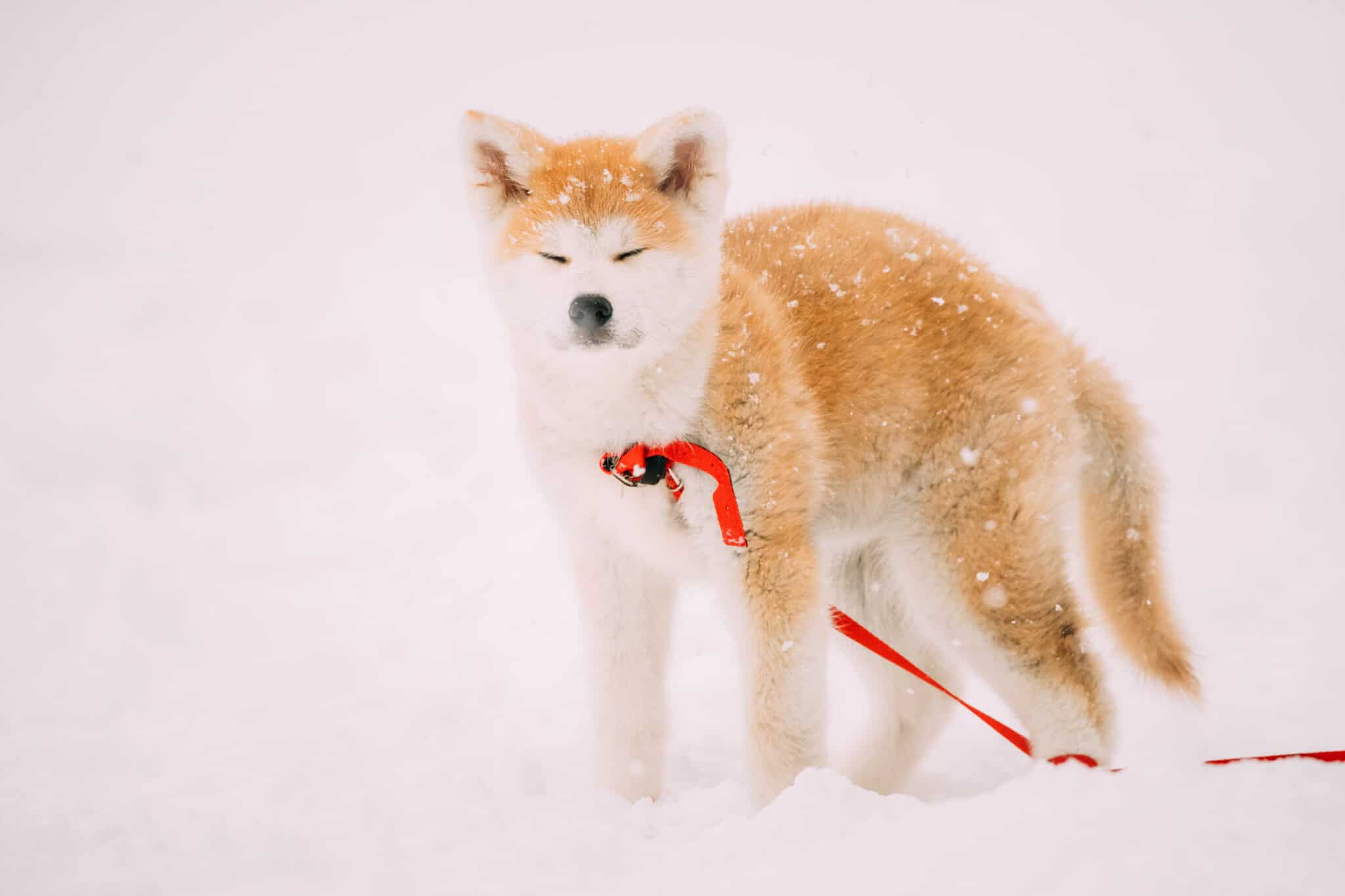
The akita is a large breed of dog originating from the mountainous regions of northern Japan. They are known as powerful, independent, and loyal companions that have been prized by Japanese families for centuries.
They were historically used to guard property and to hunt large game such as boar, deer and even bears, and for a period they were also used in dog fighting. Today there are two recognized types: the Japanese Akita Inu and the larger, heavier American Akita.
Today, the akita is a popular family pet and loyal companion that can be found in homes all over the world.

1Appearance and personality
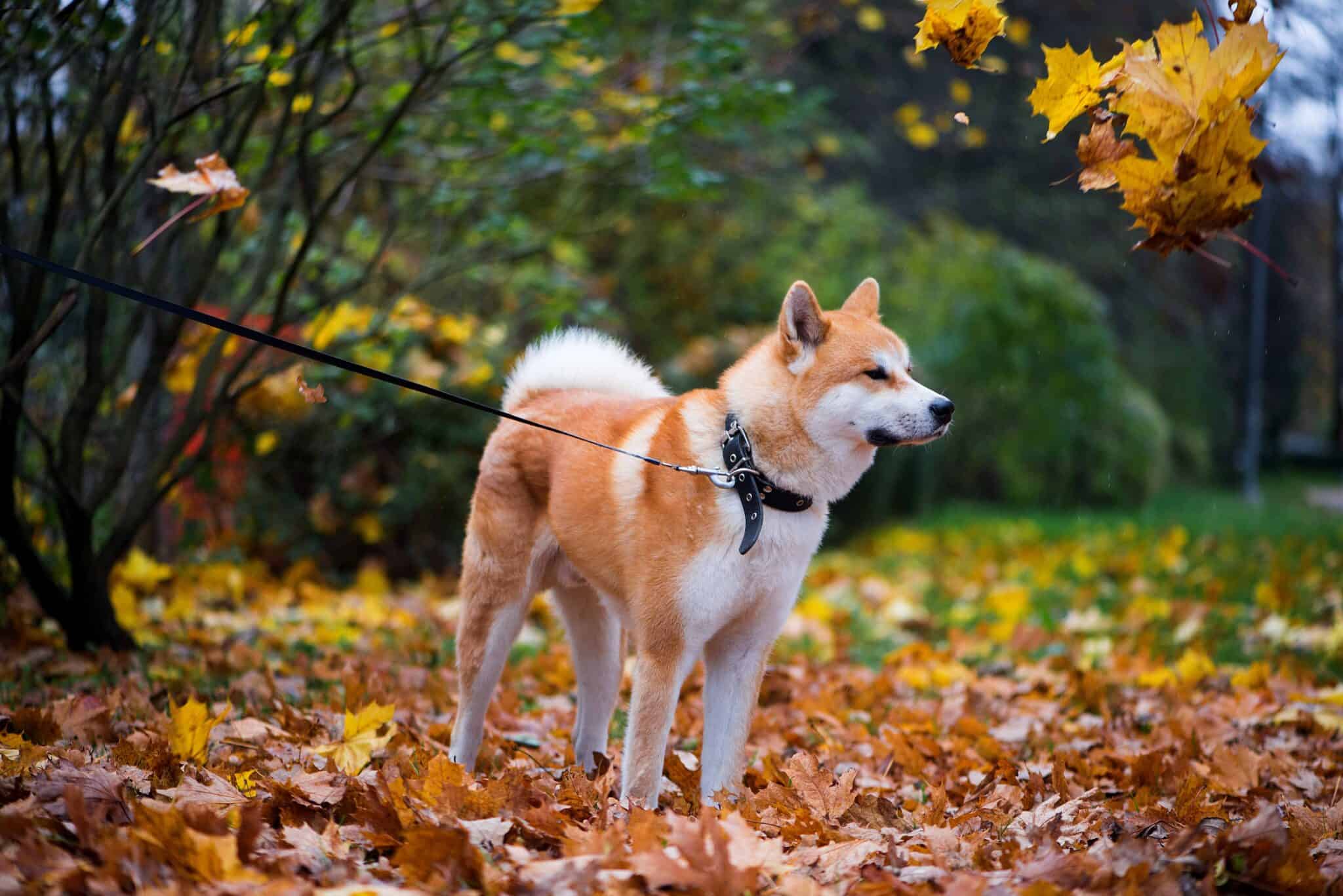
The akita is a large, powerful dog with a thick double coat. American Akitas can come in almost any color, including white, brindle and pinto, while Japanese Akitas are typically red, white, sesame or brindle. They are loyal and protective dogs and make excellent guard dogs. Akitas are also independent and headstrong and can be very stubborn.
The akita is an intelligent breed and they learn quickly, but their independent nature means they need firm, consistent training and plenty of socialization from an early age.
Akitas are usually very reserved around strangers but devoted to their families. They can be aloof and independent, but also playful and affectionate with the people they know. Raised and socialized properly, they can be calm and well-behaved dogs.
Many akitas do not tolerate other dogs well, especially dogs of the same sex, so they are often happiest as the only dog in the home. Overall, akitas make loyal, loving, and protective companions for experienced owners.
2Size and weight of an Akita
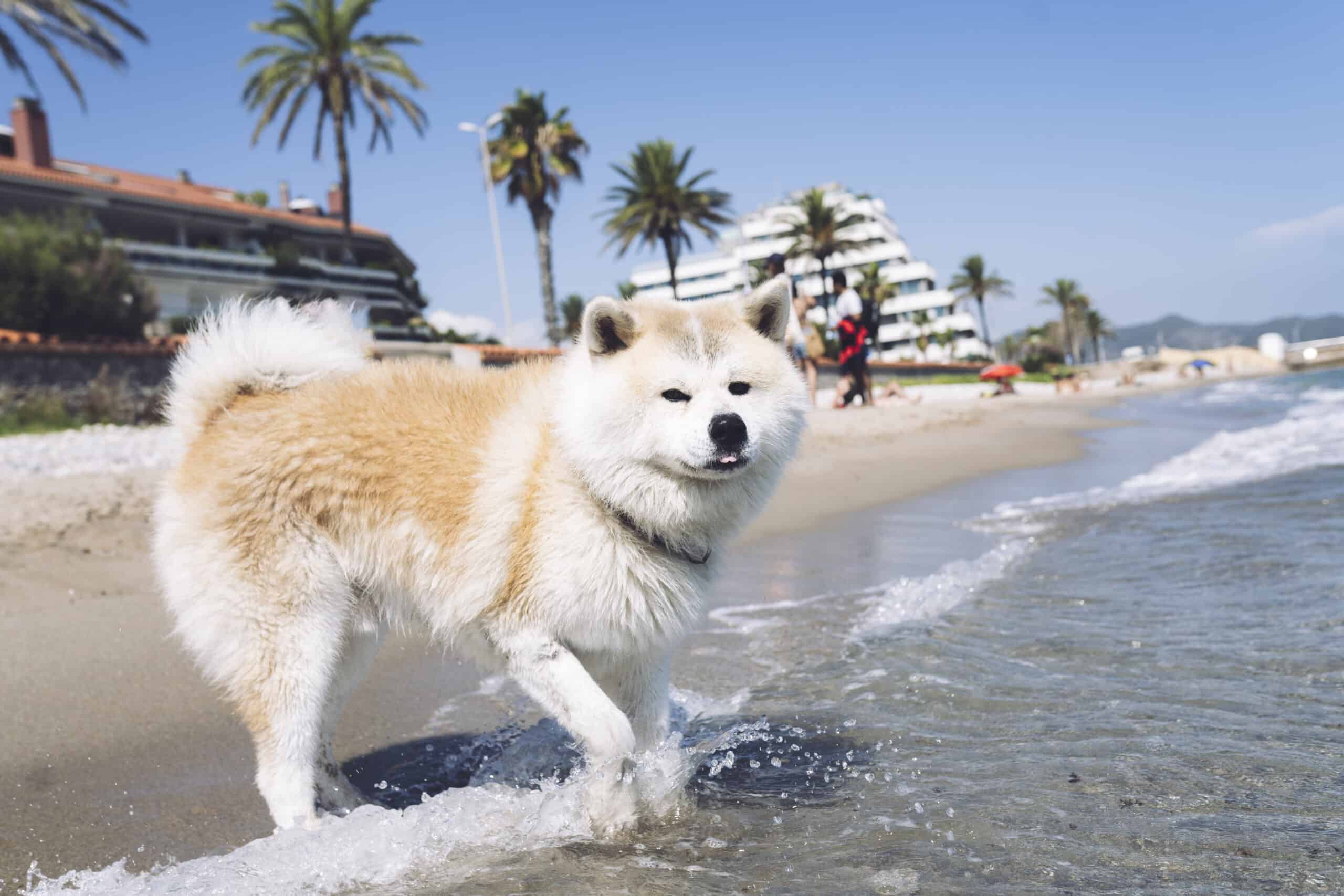
The akita is a large breed. Under the American Kennel Club standard, male (American) Akitas stand about 26 to 28 inches (66-71 cm) at the shoulder and females about 24 to 26 inches (61-66 cm). Males typically weigh around 100 to 130 pounds (45-59 kg) and females around 70 to 100 pounds (32-45 kg). The Japanese Akita Inu is noticeably lighter and more fox-like. Akitas are broad-chested and muscular, with a thick coat of fur that helps to protect them from the cold.
The akita's size and strength make it an excellent guardian breed, as it is powerful enough to deter intruders. That same strength means an untrained akita can be hard to handle on the leash, so early training matters.
How much does an akita shed
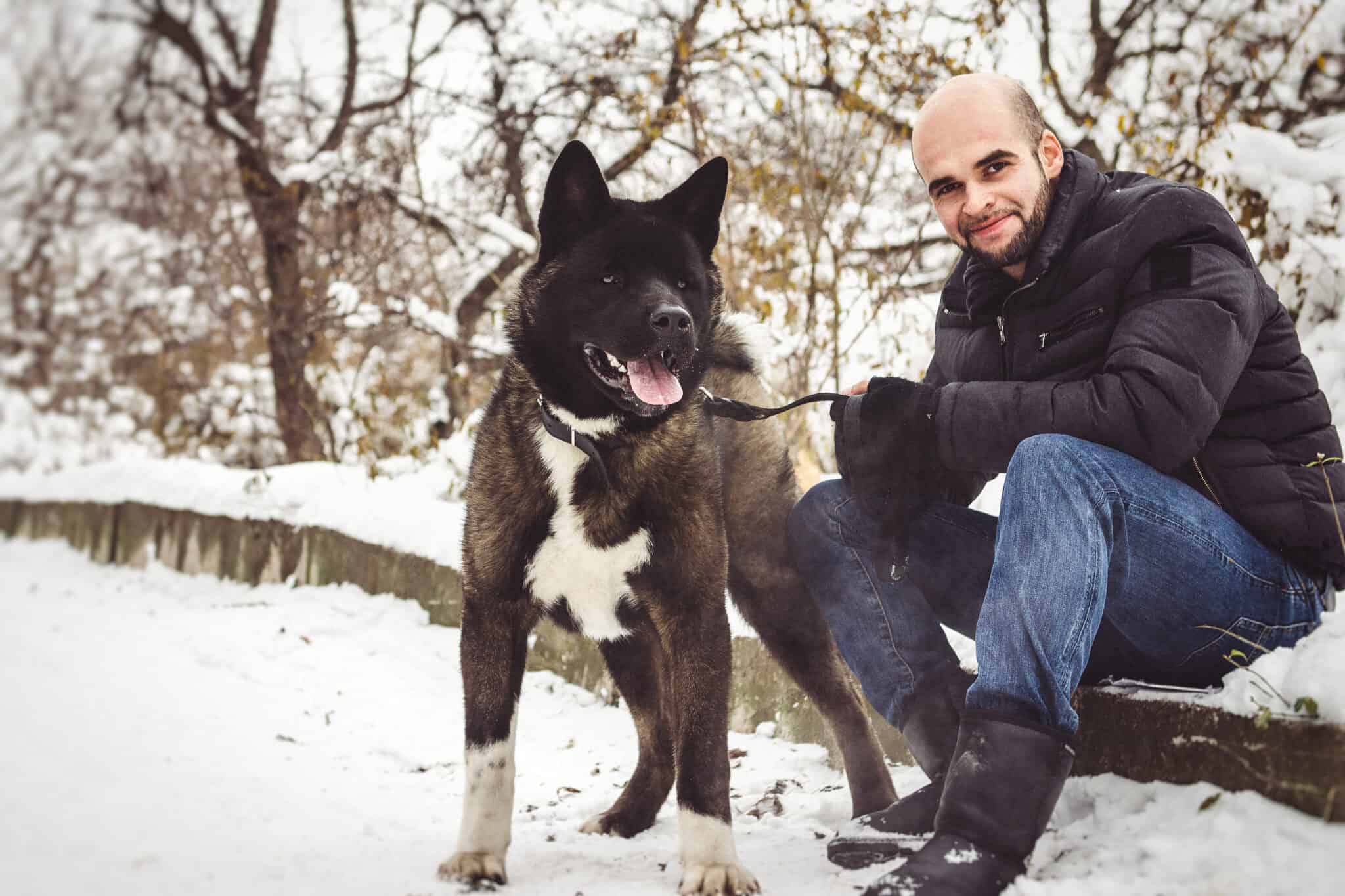
Akitas shed a moderate amount year-round and then "blow" their dense undercoat heavily about twice a year, usually in spring and fall. During those periods the undercoat comes out in clumps for a few weeks.
Brushing a few times a week (daily during a coat blow) keeps the hair under control. A poor diet or skin problems can make shedding worse, so if your akita suddenly sheds far more than usual outside the normal seasons, it's worth having a vet take a look.
3Training and exercise needs of an Akita
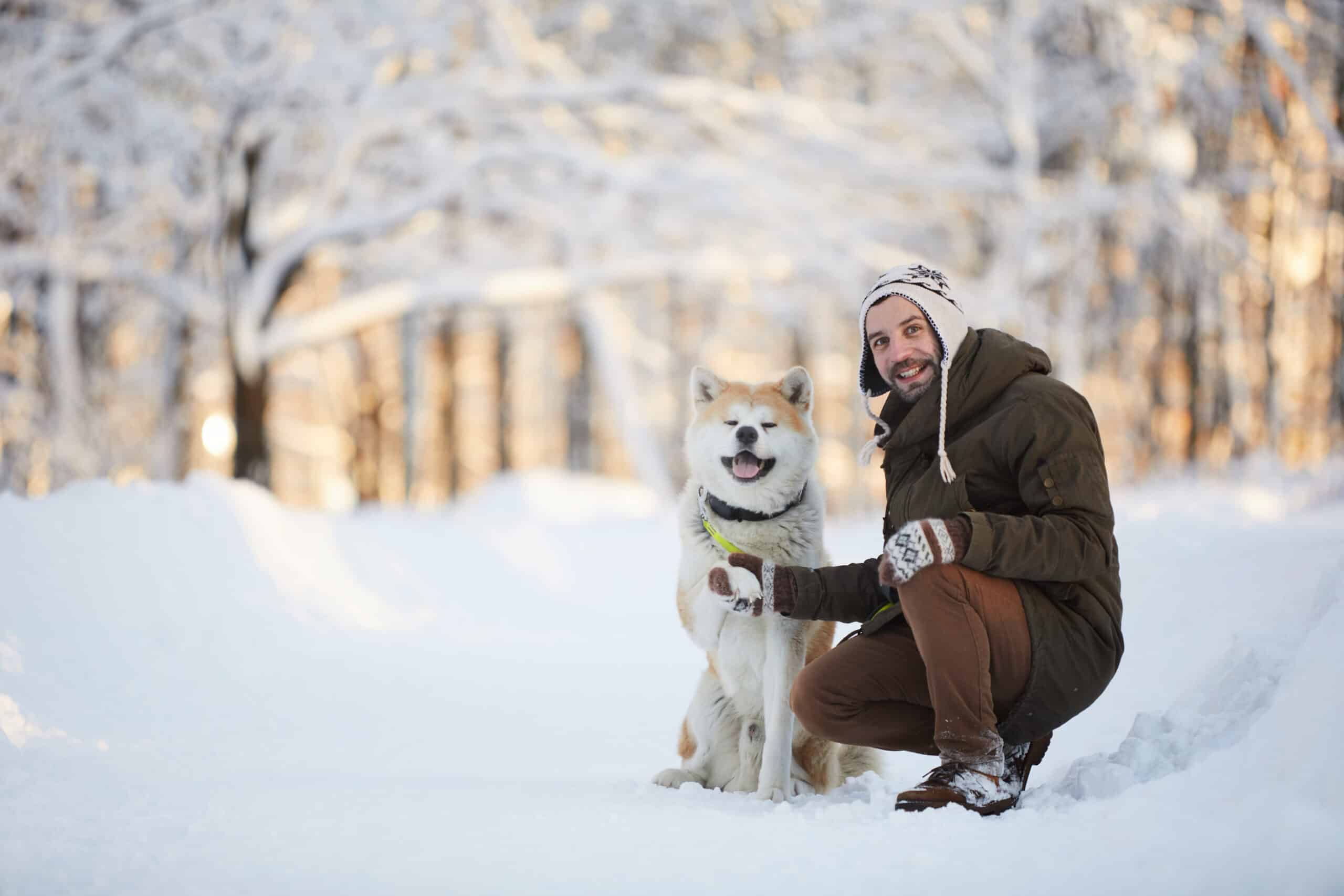
Training and exercise are essential for any dog, but they are especially important for akitas. Akitas were bred to hunt and guard, and while they are not as hyperactive as many working breeds, they still need daily walks and play to stay fit and content. They also benefit from mental stimulation, such as obedience work, scent games and puzzle toys.
Training should start at an early age, and it should be consistent throughout the dog's life. Akitas respond best to calm, confident, reward-based training; harsh methods tend to backfire with this proud breed. With the right kind of training and exercise, an akita can be a loyal and loving companion.

4Health problems of an akita
Akitas are prone to several health problems. Some of the most common concerns include hip and elbow dysplasia, progressive retinal atrophy, hypothyroidism, bloat (gastric dilatation-volvulus) and autoimmune conditions such as sebaceous adenitis. It is important to be aware of these health problems before you buy an akita puppy, as they can be expensive to treat.
Hip dysplasia is an abnormal formation of the hip joint that leads to looseness, wear and arthritis. Elbow dysplasia is similar but affects the elbow joint instead. Both conditions can cause pain and lameness, and some dogs need surgery.
Progressive retinal atrophy is a degenerative eye condition that can eventually lead to blindness. Hypothyroidism in akitas is often caused by the immune system attacking the thyroid gland, resulting in low thyroid hormone levels. Bloat is a life-threatening emergency in deep-chested breeds: if your akita has a swollen belly, retches without bringing anything up, or seems restless and in pain, go to a vet immediately.
Some of these conditions can't be cured, but most can be managed with medication, surgery or proper care. If you are considering adding an akita to your family, be sure to do your research and buy your puppy from a reputable breeder who health-tests their dogs.
The husky
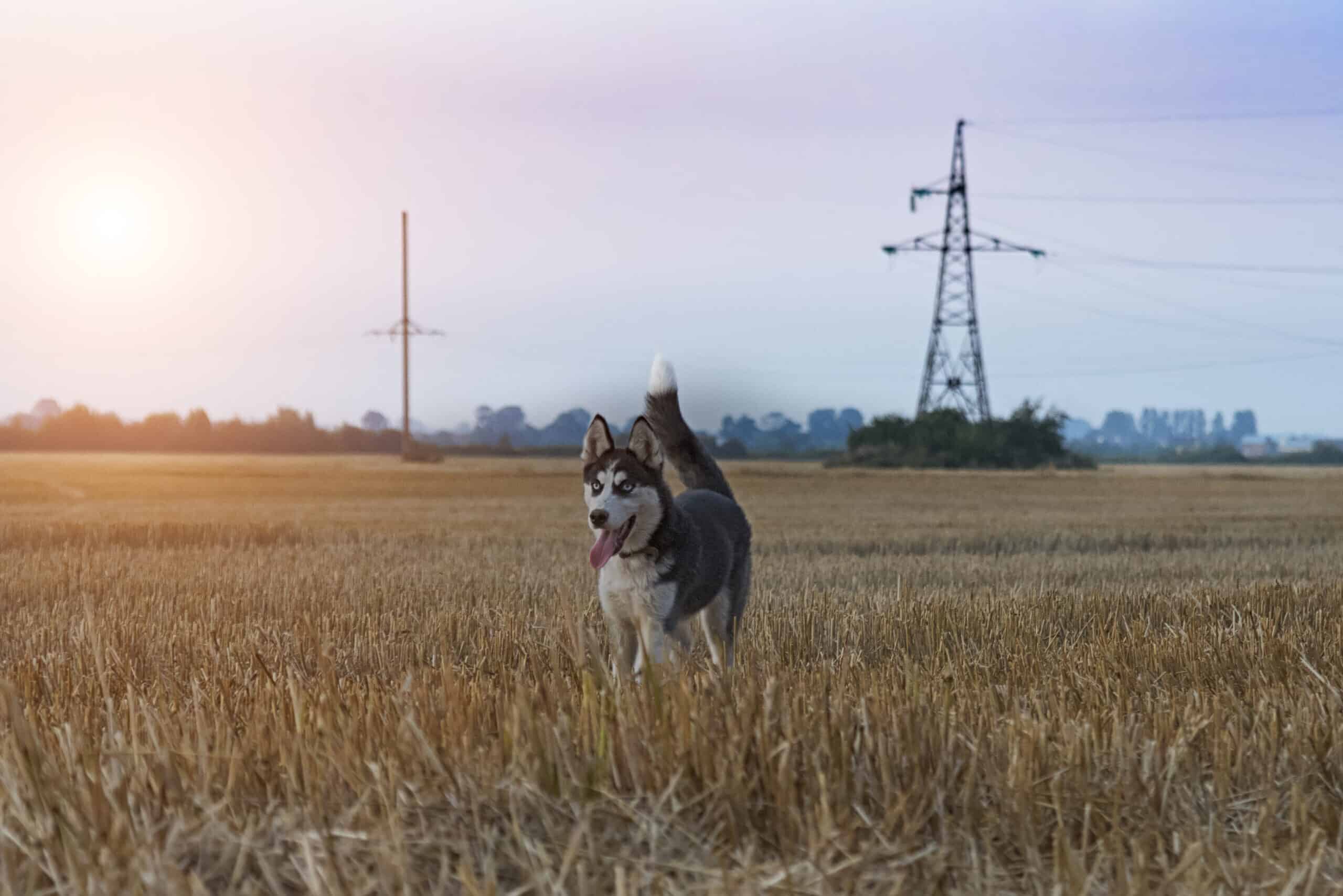
The Siberian husky is a popular breed known for its thick coat and friendly disposition. Huskies originated in northeastern Siberia, where the Chukchi people bred them as sled dogs that could pull light loads over long distances. That working background is why they are such energetic dogs.
Huskies were brought to Alaska in the early 1900s, during the Nome gold rush era, where they became famous as racing sled dogs.
Today, huskies are still used as sled dogs in some parts of the world, but they have also become popular pets. Thanks to their friendly nature and striking appearance, huskies have become one of the most popular dog breeds in the world.

1Appearance and personality of a husky
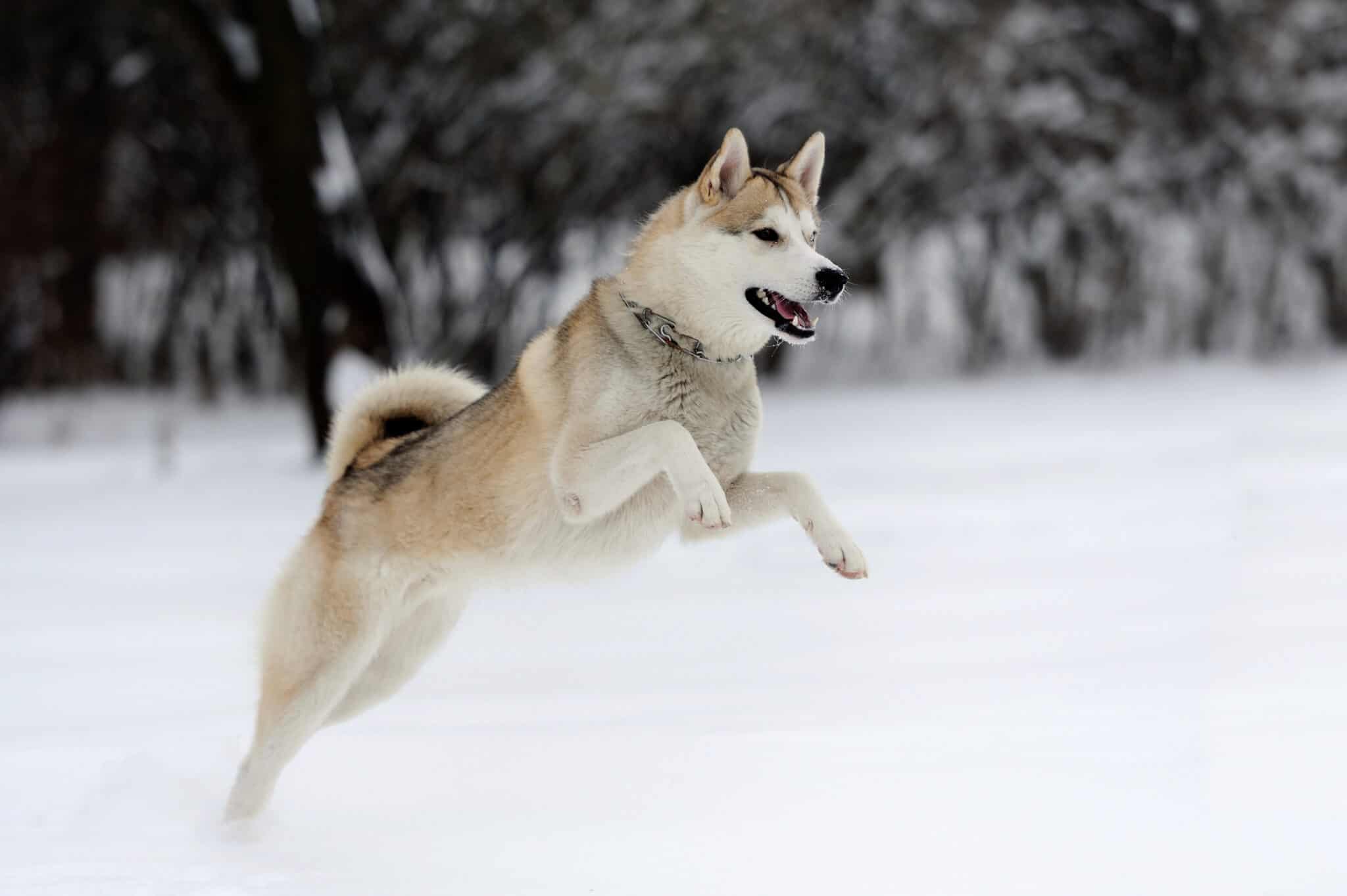
Huskies were bred for endurance rather than raw strength. They are medium-sized dogs with thick double coats that protect them from the cold weather.
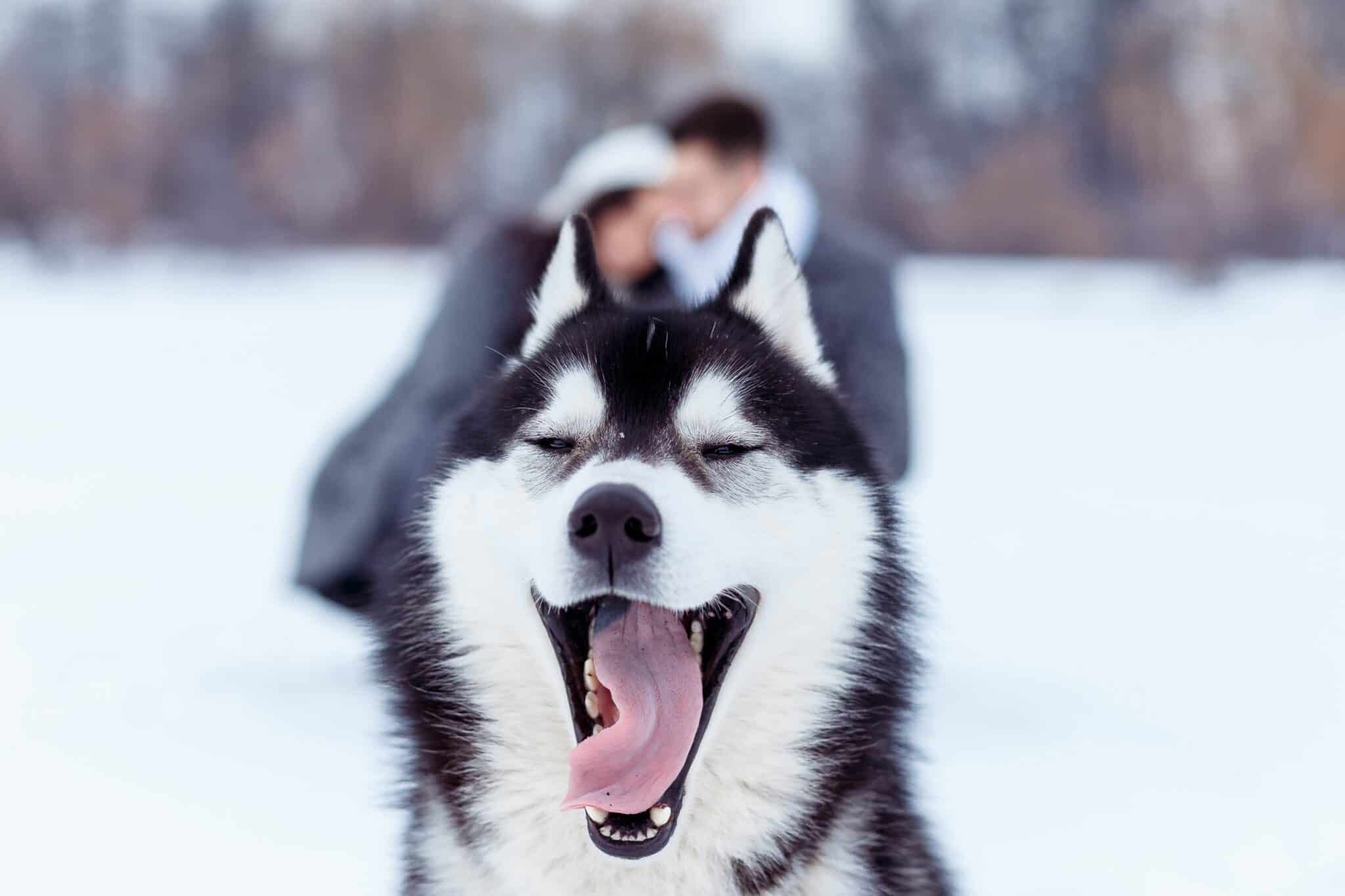
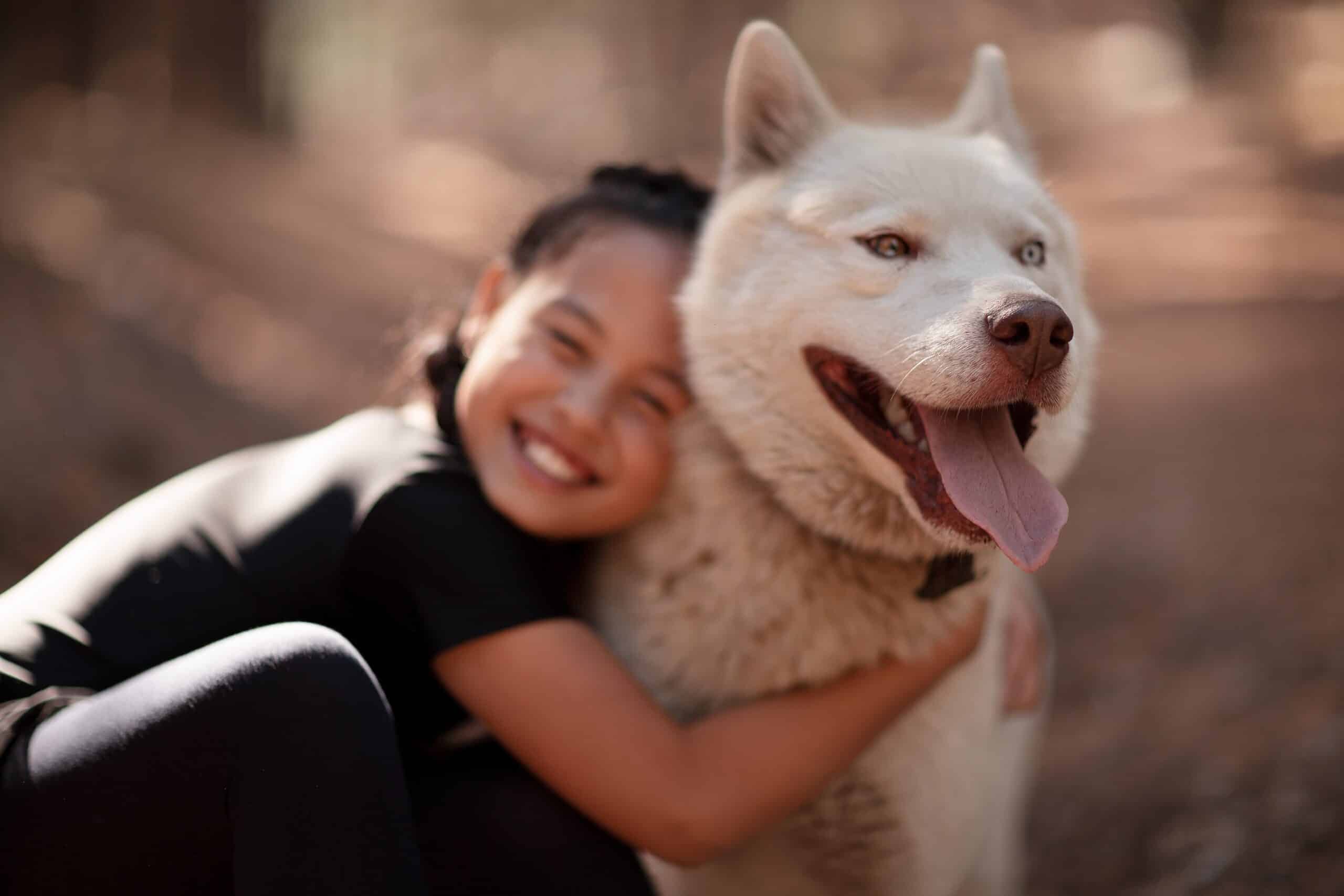
Huskies are also known for their striking eyes, which can be blue, brown, or one of each. They are very friendly and social dogs, and they enjoy being around people, including strangers, which makes them poor guard dogs. On top of that, they are also very active and require a lot of exercise.

2Size and weight of a husky
Huskies are a medium-sized breed. Males typically weigh between 45 and 60 pounds (20-27 kg) and stand about 21 to 23.5 inches (53-60 cm) at the shoulder. Females are smaller, typically weighing between 35 and 50 pounds (16-23 kg) and standing about 20 to 22 inches (51-56 cm) tall.
Even though they are only medium-sized, huskies need far more exercise than their size suggests. Huskies are known for being friendly, outgoing, and intelligent dogs that can make great family pets for active households.
How much a husky sheds
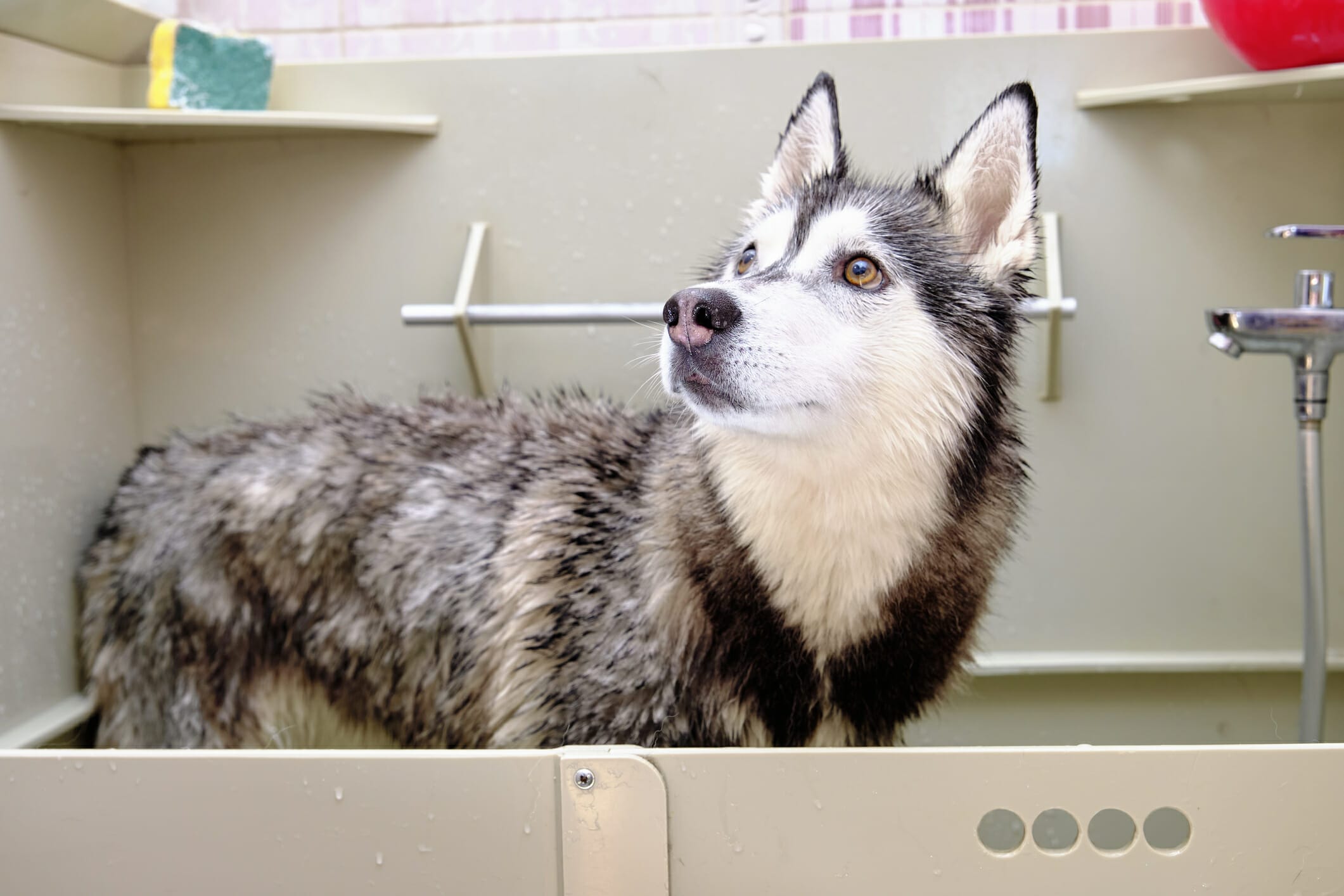
First-time husky owners are often surprised by the amount of hair their husky sheds. Huskies shed moderately all year and "blow" their undercoat about twice a year, usually in spring and fall. Each coat blow typically lasts for several weeks.
During this time, huskies will lose an unbelievable amount of hair. It's not uncommon for new husky owners to see the shedding as a sign that something is wrong with their dog. However, seasonal shedding is a natural process for huskies and is nothing to be concerned about. Bald patches, red or flaky skin, or constant scratching are not normal, though, and are worth a vet visit.
The key to minimizing the shedding is to brush your husky regularly. Brushing will help to remove the loose hairs before they have a chance to spread around your house. A good deshedding shampoo for huskies can help as well. Never shave a husky; their double coat protects them from both cold and heat.
3Training and exercise needs for a husky
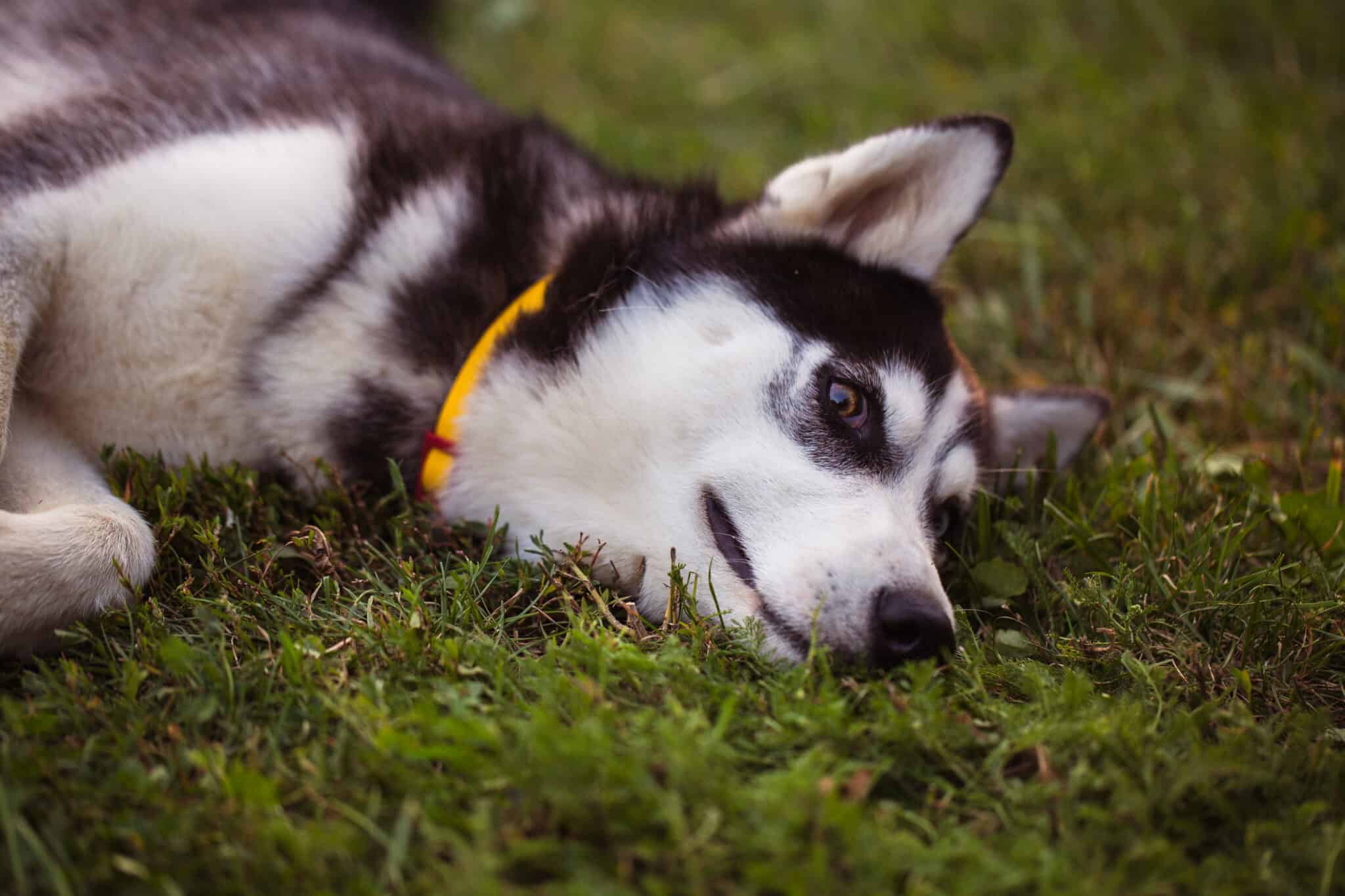
Training and enough exercise are essential for a healthy and happy husky. Huskies are high-energy dogs and generally need at least one to two hours of exercise per day. This can be a combination of running, hiking, canicross, and long walks. A bored husky is often a destructive husky.
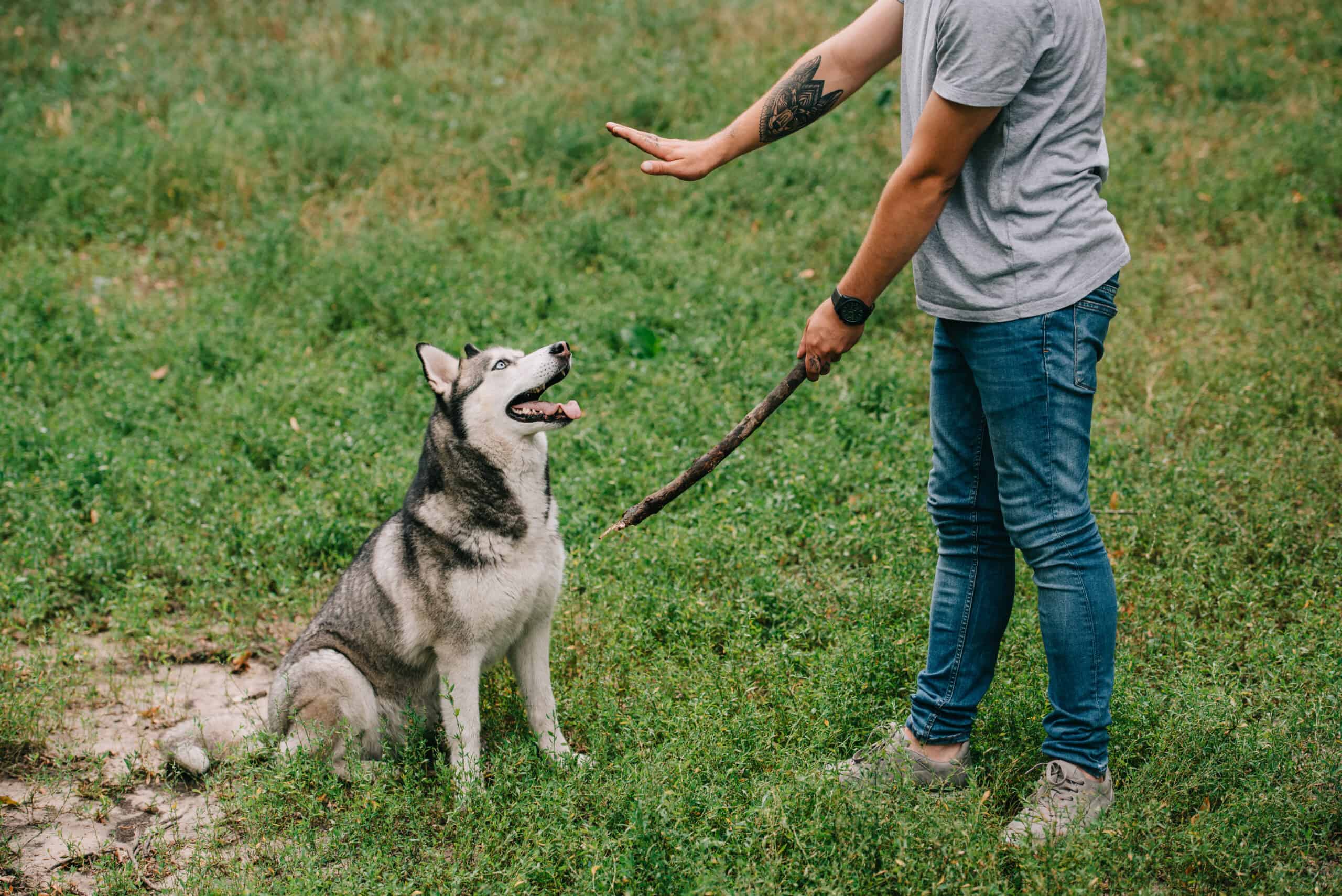
Training is also important for huskies, as it helps to teach them obedience and good manners. Training classes can be a great way to socialize huskies and give them the chance to learn new things. A husky's independent streak can make training challenging at times, but it is still possible to train them with patience and consistency. Most huskies should not be trusted off-leash in open areas, because they love to run and may not come back.
Huskies are intelligent dogs and can learn tricks, obedience commands, and other useful skills. Training and exercise are essential for a well-rounded husky, so make sure to include them in your daily routine.
4Health problems of a husky
The Siberian husky is a generally healthy breed, with a typical lifespan of around 12 to 14 years.
The main health issues in the breed are eye problems such as juvenile cataracts, progressive retinal atrophy and corneal dystrophy. Huskies can also develop hip dysplasia, hypothyroidism and a skin condition called zinc-responsive dermatosis, which causes crusty, hairless patches, often around the face.
Many of these health problems can be effectively managed with proper veterinary care. For example, hip dysplasia can be managed with weight control, appropriate exercise and pain relief, while eye problems can be monitored and treated with medication or surgery if necessary. Choose a breeder who eye-tests and hip-scores their dogs, and with proper care, huskies can enjoy long and healthy lives.

The differences between an akita vs husky
Now that we have taken a look at akitas and huskies individually, we can compare them directly. This will help you make an informed decision about which breed is best for you.
1Appearance and personality
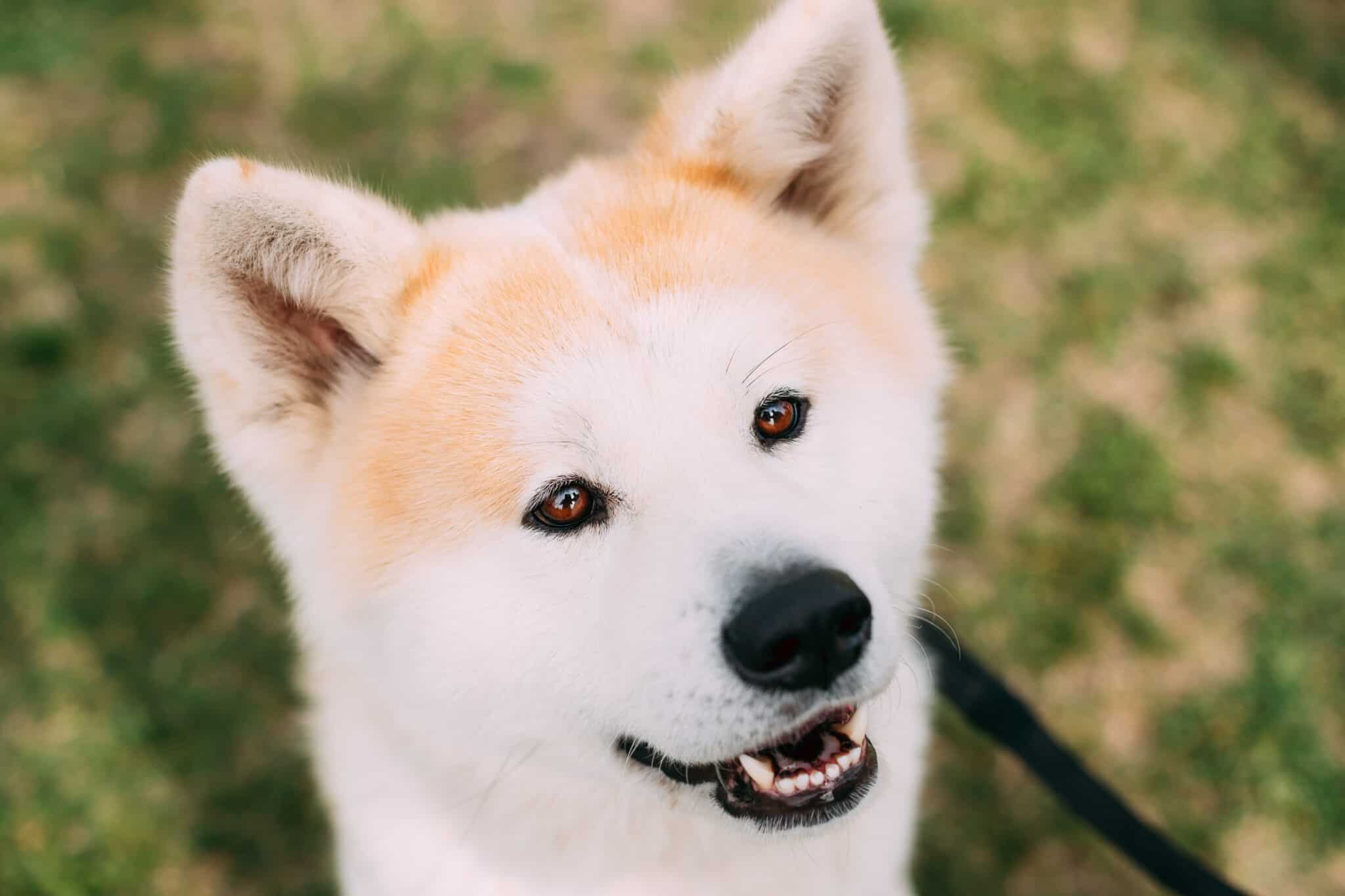
Akitas have a thick double coat that is designed to protect them from the cold weather in their native Japan, a broad bear-like head and a big curled tail. Huskies also have a thick double coat, but they are lighter-boned, with a more wolf-like face and a brush-like tail.
The husky's coat is designed to protect them from the cold weather in their native Siberia. The husky's coat can be many colors, but the most common are black and white, gray and white, copper-red and white, or pure white.
When it comes to personality, akitas are known for being independent, aloof with strangers, and protective of their family. Huskies are also strong-willed, but they are much more friendly and social with everyone, including strangers and other dogs. Both breeds have a strong prey drive, so neither is a natural fit for a home with cats or small pets unless raised with them.
Akitas are generally quiet and are not known for being big barkers. Huskies, on the other hand, are very vocal: they rarely bark much, but they howl, "talk" and whine a lot. If you live in an apartment or close quarters, a husky's howling can be disruptive.

2Size and weight
When it comes to size, akitas are much larger than huskies. American Akitas typically weigh between 70 and 130 pounds, while huskies only weigh between 35 and 60 pounds. Akitas are also taller, standing around 24-28 inches (61-71 cm) at the shoulder, while huskies stand around 20-23.5 inches (51-60 cm). For a sense of scale against their wild relatives, see how wolf size compares to dogs.

How much they shed
Huskies and akitas both have a thick double coat and both are heavy shedders. Each breed sheds moderately year-round and blows its undercoat about twice a year, usually in spring and fall. Because the akita is a much bigger dog, there is simply more coat to come out, but expect plenty of hair in the house with either breed.
3Training and exercise needs
Akitas are considered to be more independent and reserved than huskies, which means they may not be as eager to work for you, and their size and guarding instinct make early training and socialization essential. Akitas have a strong prey drive. Huskies have a strong prey drive too, as we cover in are Huskies good with chickens.
Huskies are intelligent and playful, and they are usually more sociable during training, but they are famously independent too and are notorious escape artists. Huskies also have a lot of energy, which means they need a lot of exercise. Akitas need less exercise than huskies, but they still need a moderate amount of daily activity.
4Health problems
As any pet owner knows, all breeds of dogs come with their own set of health risks. However, some breeds are more prone to certain health problems than others. Both huskies and akitas can develop joint problems such as hip dysplasia, although it is more common in akitas. Huskies are especially prone to eye disorders such as juvenile cataracts and corneal dystrophy, while akitas are at a higher risk for bloat and autoimmune conditions such as hypothyroidism and sebaceous adenitis.
Which breed is right for you?
When it comes to akita vs husky, there are a few key differences to take into consideration.
- Akitas are much larger and heavier dogs, while huskies are medium-sized but far more energetic.
- Akitas have a reputation for being independent, aloof with strangers and protective, while huskies are known for being friendly and social with almost everyone.
- Both breeds are heavy shedders that blow their coat about twice a year.
- Huskies have a lot of energy, which means they need a lot of exercise. Akitas need less exercise than huskies, but they still need a moderate amount of exercise.
- Huskies are especially prone to eye disorders such as cataracts and corneal dystrophy, while akitas are at a higher risk for bloat and autoimmune conditions.
Consider your lifestyle and needs when choosing between akita vs husky.
If you are looking for a large, calm and protective dog and you have experience with strong-willed breeds, then the akita might be the right breed for you. If you are looking for a friendly and social dog and you can provide a lot of daily exercise and a secure yard, then the husky might be the better option. Ultimately, the best way to choose is to find the breed that best matches up with your lifestyle and needs.